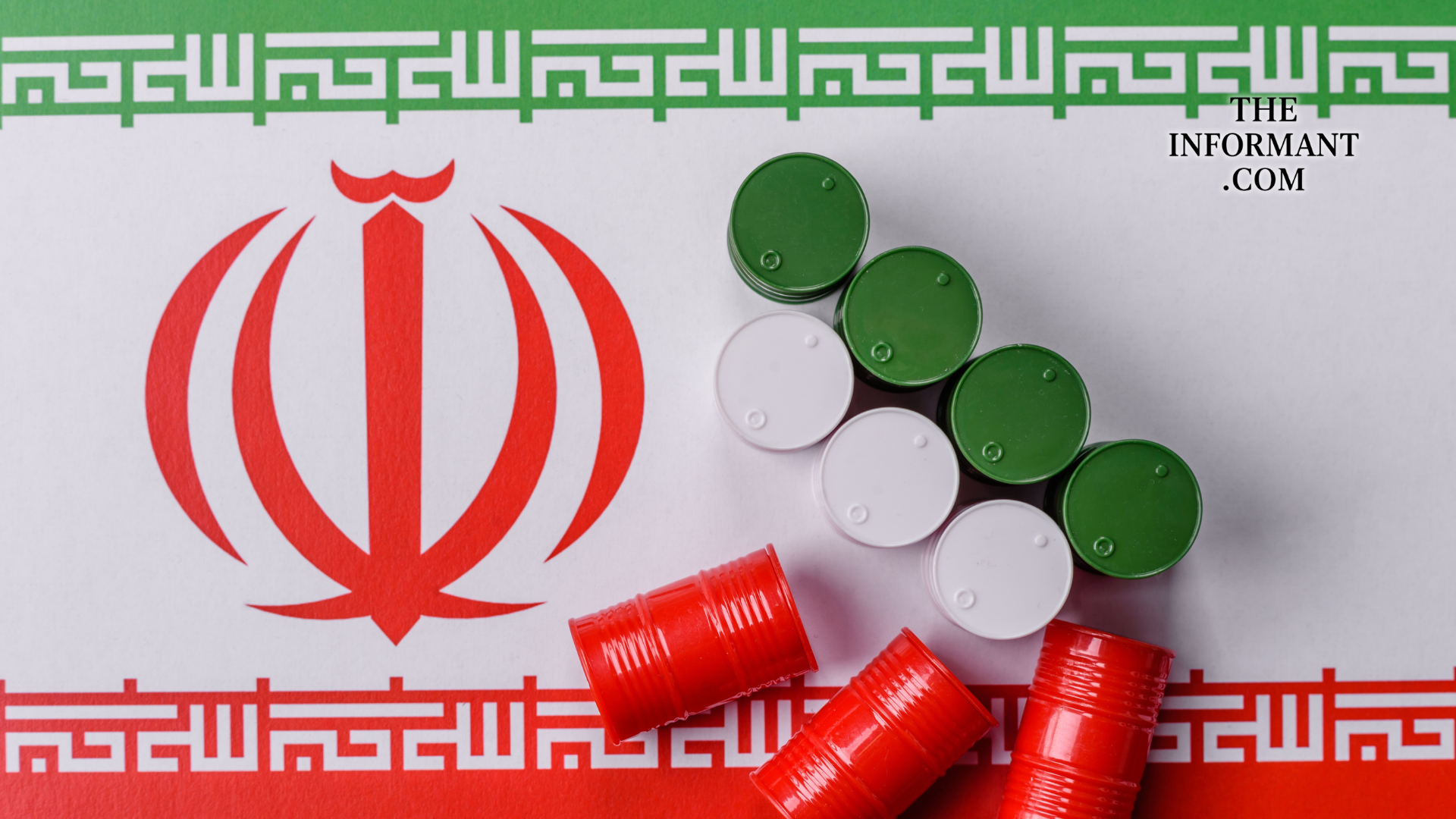
WASHINGTON, D.C. — October 29, 2026. The United States has incurred an estimated $47.1 billion in military costs during its eight-month war with Iran, according to new Pentagon figures provided to Congress, raising questions about the financial burden of the conflict as President Donald Trump considers the possibility of additional strikes.
The estimate, compiled by U.S. Central Command and calculated through October 16, represents a $3.5 billion increase from the $43.6 billion reported in early September. The latest figures were obtained by several news organizations, including The Associated Press, Reuters and The Washington Post.
PENTAGON ESTIMATES IRAN WAR COST AT $47.1 BILLION
U.S. Central Command, which oversees American military operations in the Middle East, prepared the latest assessment for lawmakers reviewing the conflict’s financial impact.
The figures provide one of the most detailed accounts of the military resources consumed since the United States and Israel launched their offensive against Iran on February 28.
The estimate includes replacement costs for weapons and equipment, as well as expenses associated with sustaining American forces in the region.
It does not represent the final cost of the war.
The Pentagon has not yet included the full financial impact of damage to American military installations attacked by Iranian forces.
WAR EXPENSES RISE $3.5 BILLION IN SIX WEEKS
The latest assessment shows that military costs increased from approximately $43.6 billion in early September to $47.1 billion by October 16.
That represents an additional $3.5 billion over roughly six weeks.
In July, Defense Secretary Pete Hegseth told Congress that the war had already cost approximately $37.5 billion.
The continued increase reflects expenses associated with maintaining military operations, replenishing weapons and supporting deployed personnel.
Although the intensity of direct exchanges between U.S. and Iranian forces has declined from the opening months, the American military continues to maintain substantial forces and equipment in the Middle East.
NEARLY $29 BILLION NEEDED TO REPLACE MUNITIONS
The largest component of the estimate involves ammunition, missiles and other weapons used during the conflict.
According to the Pentagon figures, approximately $29 billion is attributed to replacing expended munitions.
These include precision-guided weapons and missile-defense interceptors used to protect American forces and regional partners from Iranian attacks.
Patriot and Terminal High Altitude Area Defense, or THAAD, interceptors are among the sophisticated defensive weapons whose inventories have been affected.
Individual interceptor missiles can cost millions of dollars, making sustained defensive operations particularly expensive.
The need to replenish those weapons has also raised questions about production capacity and the availability of military stockpiles.
EQUIPMENT LOSSES ADD ANOTHER $6 BILLION
The military estimates approximately $6.1 billion will be required to replace equipment and platforms lost during the conflict.
Those losses include combat aircraft and other military systems.
The figure is separate from the cost of replenishing missiles and ammunition.
Equipment replacement can involve lengthy procurement processes, particularly when specialized aircraft or advanced defense systems are involved.
The Pentagon’s estimate reflects the financial value assigned to those losses, although replacement schedules and final procurement costs may differ.
OPERATIONAL COSTS TOTAL NEARLY $12 BILLION
The military has also incurred approximately $11.9 billion in additional operational expenses.
The Air Force accounts for roughly $7.6 billion, including personnel support, airlift and other mission-related activities.
Army expenses total approximately $2 billion, while Navy operational costs are estimated at about $1.45 billion.
Additional spending includes support for special operations forces, military transportation and medical services.
These costs reflect the resources required to deploy, maintain and support American military personnel and equipment across the region.
DAMAGE TO U.S. BASES NOT INCLUDED IN ESTIMATE
One of the most significant limitations of the $47.1 billion assessment is that it excludes the cost of repairing or replacing American military installations damaged by Iranian attacks.
Iranian missiles and drones have struck U.S. facilities in several Middle Eastern countries.
A Pentagon inspector general report documented damage to military infrastructure in Kuwait, Bahrain, Qatar, the United Arab Emirates, Saudi Arabia, Iraq, Oman and Jordan.
Some facilities may require extensive repairs, while others could be relocated or permanently closed.
The financial consequences of those decisions have not yet been fully determined.
As a result, the eventual cost of the conflict could be substantially higher than the current estimate.
WAR BEGAN WITH U.S.-ISRAELI STRIKES IN FEBRUARY
The conflict began on February 28, when American and Israeli forces launched coordinated attacks against Iran.
The opening strikes killed several senior Iranian officials, including Supreme Leader Ayatollah Ali Khamenei.
Iran subsequently responded with missiles and drones targeting American and allied interests across the Middle East.
The conflict also disrupted regional shipping and energy markets, particularly around the Strait of Hormuz.
Although diplomatic initiatives have reduced the intensity of some military operations, a comprehensive peace agreement has not been reached.
The war has continued through periods of escalation, limited pauses and unsuccessful attempts to establish a lasting settlement.
U.S. MILITARY REPORTS 21 DEATHS AND 865 WOUNDED
The Pentagon’s official figures identify 21 American service members who have died during the conflict and 865 who have been wounded.
The death toll includes personnel whose deaths were not directly caused by combat.
According to the military’s accounting, 18 of the deaths were associated with Iranian strikes, aircraft crashes or operations involving Iranian drones.
The figures illustrate the human cost alongside the financial expenses.
They do not include the total number of Iranian military personnel or civilians killed during the war.
TRUMP ADMINISTRATION SEEKS ADDITIONAL MILITARY FUNDING
The administration has requested additional congressional funding to cover military expenses and replenish equipment.
The White House has sought a broader $95 billion funding package that includes war-related requirements and other priorities.
The administration has also promoted a proposed $1.5 trillion defense budget.
Supporters of increased military funding argue that maintaining adequate weapons inventories and operational readiness is essential for U.S. national security.
Critics have questioned the conflict’s cost, its legal and strategic justification, and the absence of a clearly defined timetable for ending military operations.
Congress has not approved all the additional funding requested.
CONGRESS DEBATES WAR COSTS AHEAD OF MIDTERM ELECTIONS
The financial impact of the Iran conflict has become an issue in the final days before the November 3 midterm elections.
Democratic lawmakers have criticized the administration’s handling of the war and called for greater transparency about its costs.
Senate Minority Leader Chuck Schumer has argued that the conflict lacks a clear exit strategy.
Republican leaders and administration officials have defended the military campaign as necessary to address threats from Iran.
The debate also includes concerns about energy prices, defense spending and the economic consequences of continued military involvement.
The election will determine the composition of Congress for the final two years of Trump’s current presidential term.
TRUMP LEAVES OPEN POSSIBILITY OF RENEWED STRIKES
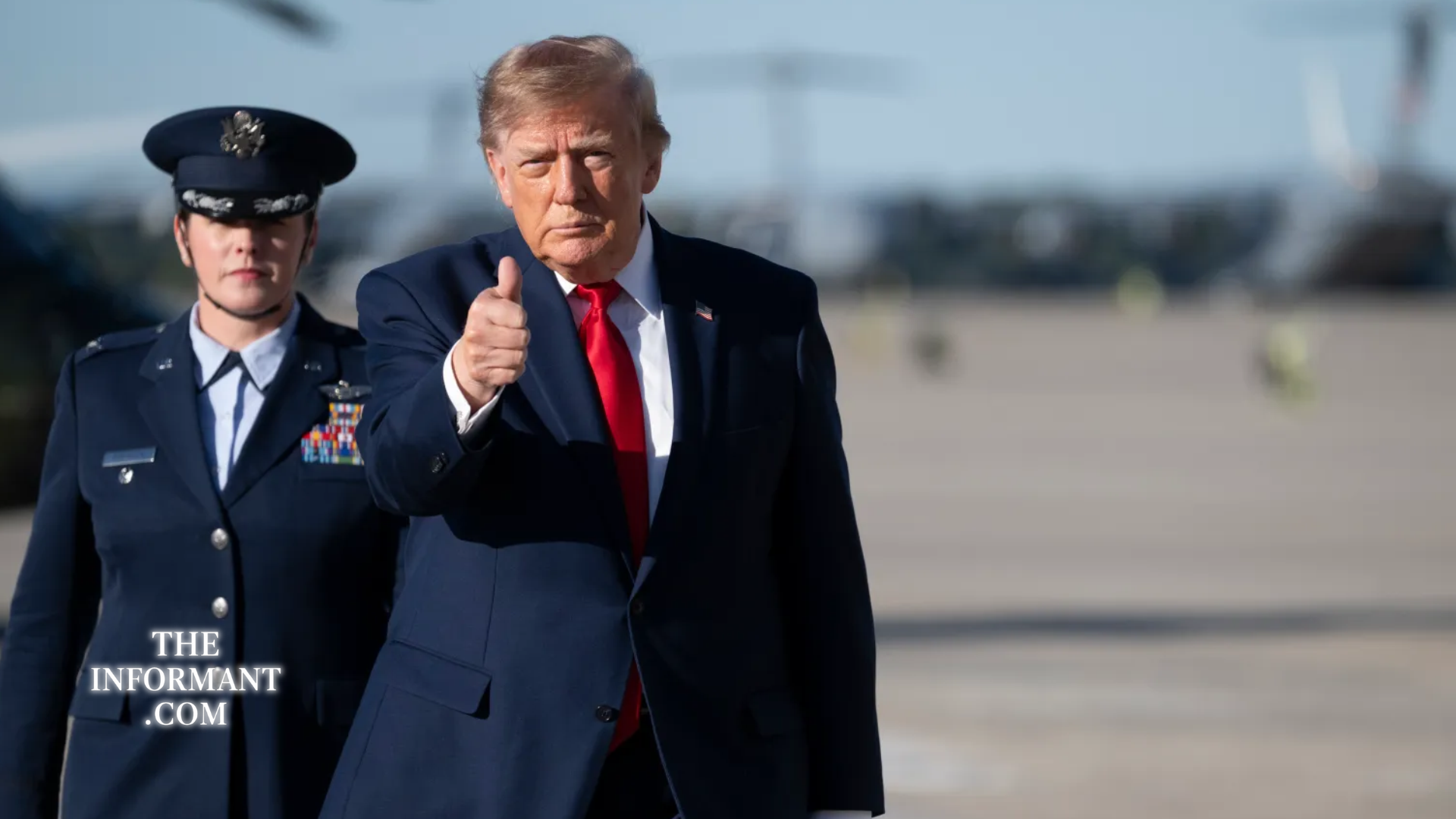
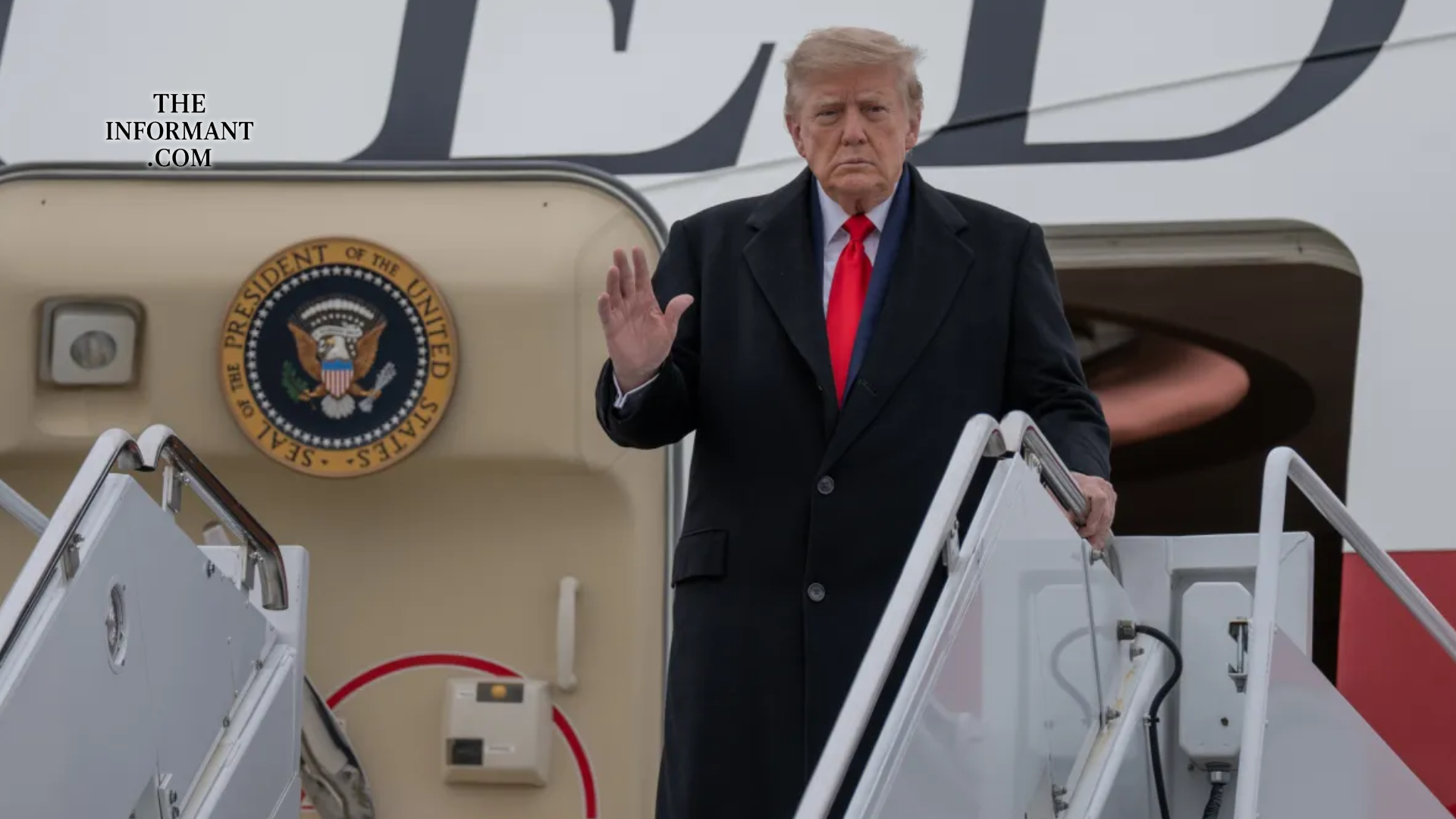
Despite the substantial financial cost, Trump has indicated that additional military action against Iran remains possible.
The president has suggested that renewed strikes could occur after the November elections if Tehran does not reach an agreement with Washington.
The United States has continued deploying military assets to the region, including additional naval forces and missile-defense systems.
At the same time, diplomatic contacts have continued in an effort to prevent another major escalation.
No final decision on renewed strikes has been publicly announced.
Any additional military campaign would likely increase the financial and operational burden beyond the October 16 estimate.
WHAT HAPPENS NEXT?
Congress is expected to continue reviewing the Pentagon’s cost estimates and the administration’s requests for supplemental funding.
Further assessments may account for damage to military bases, additional weapons purchases and the costs of maintaining forces in the Middle East.
The possibility of renewed strikes also creates uncertainty about future military spending.
For now, the $47.1 billion estimate represents the Pentagon’s reported cost of the conflict through October 16, not the final price of the war.
The ultimate financial impact will depend on the duration of U.S. military involvement, the cost of replacing equipment and the extent of damage to American installations.
The latest figures place renewed attention on the fiscal consequences of the conflict as lawmakers and voters debate the administration’s military and foreign policy decisions.