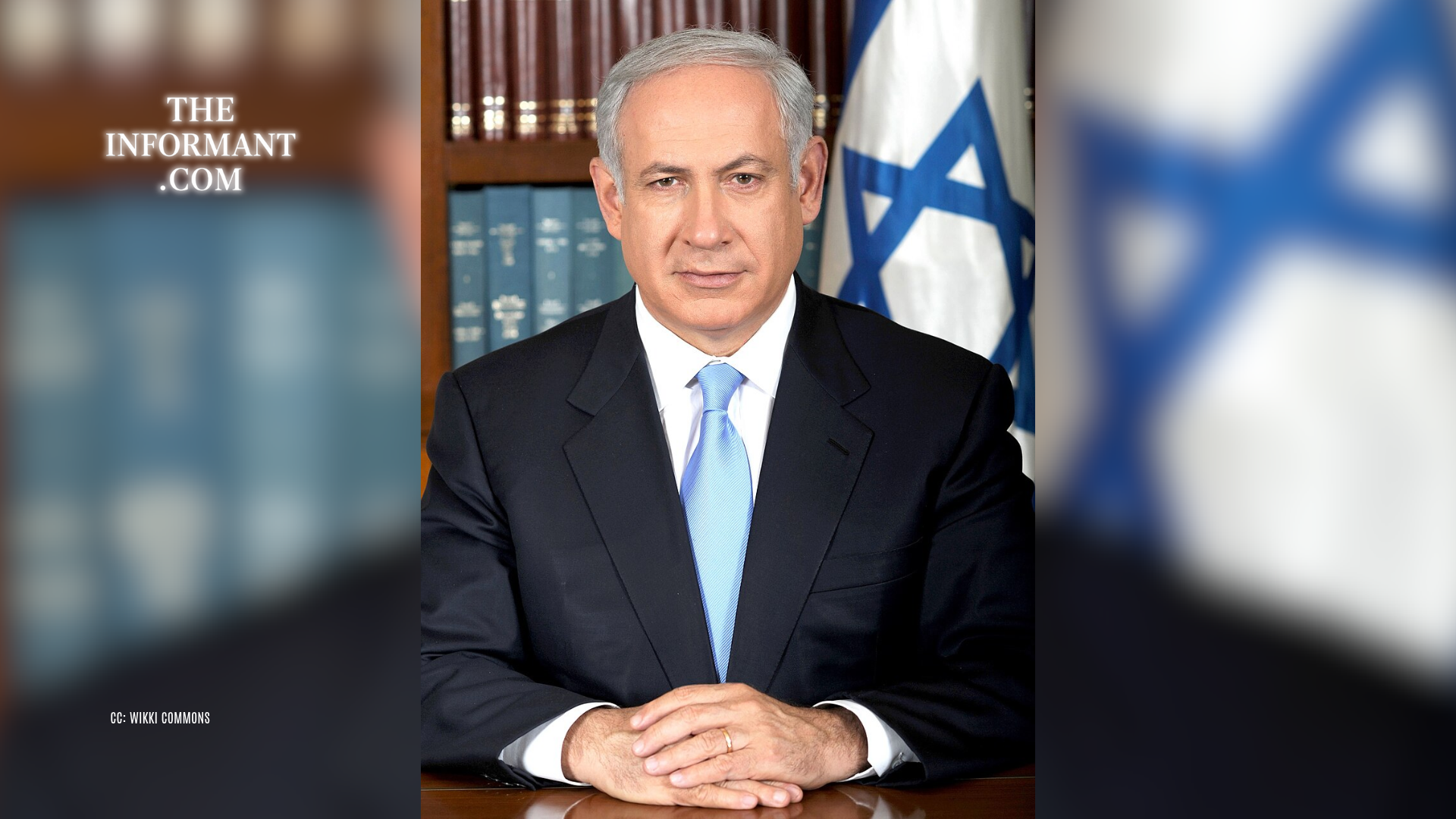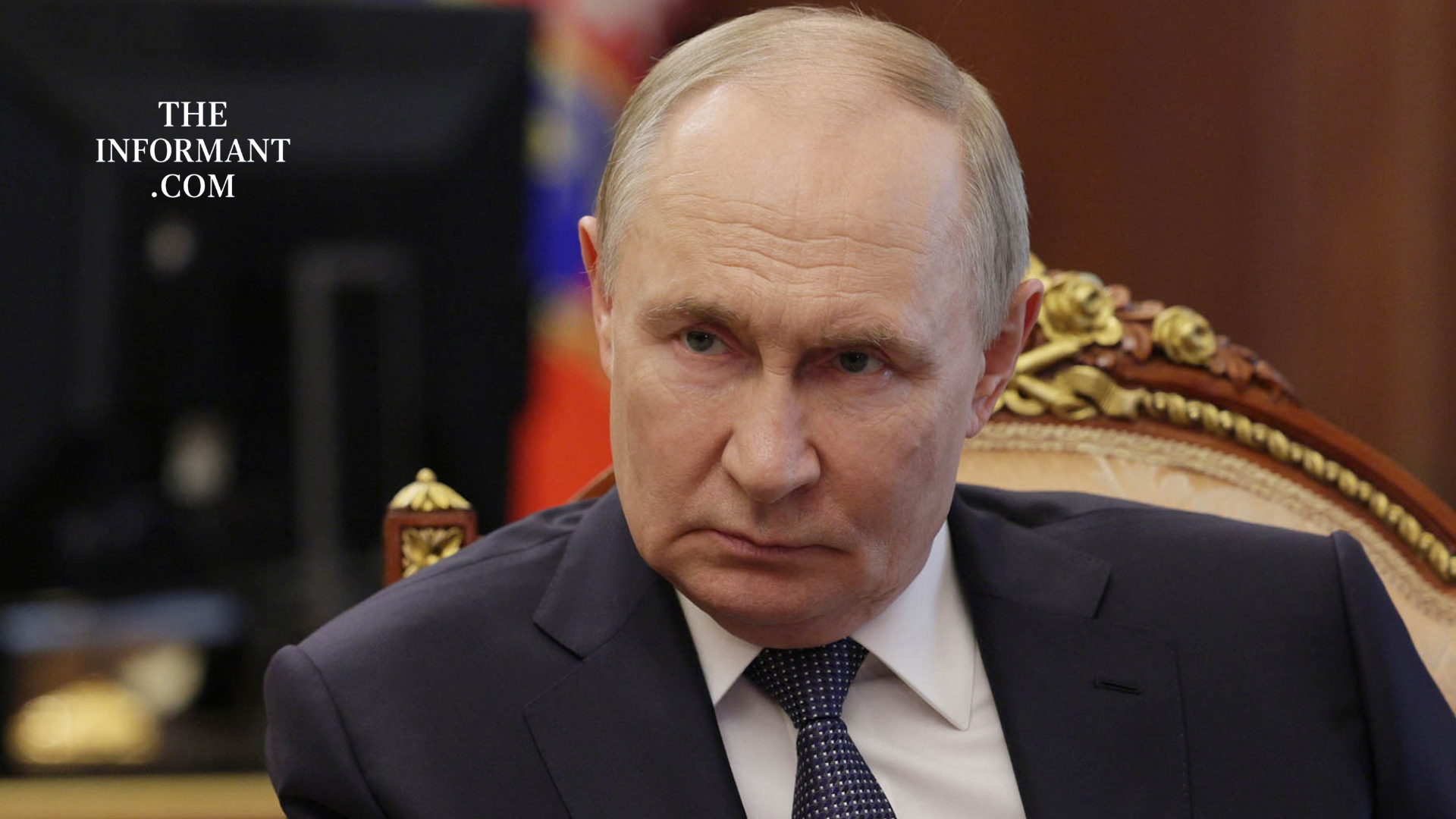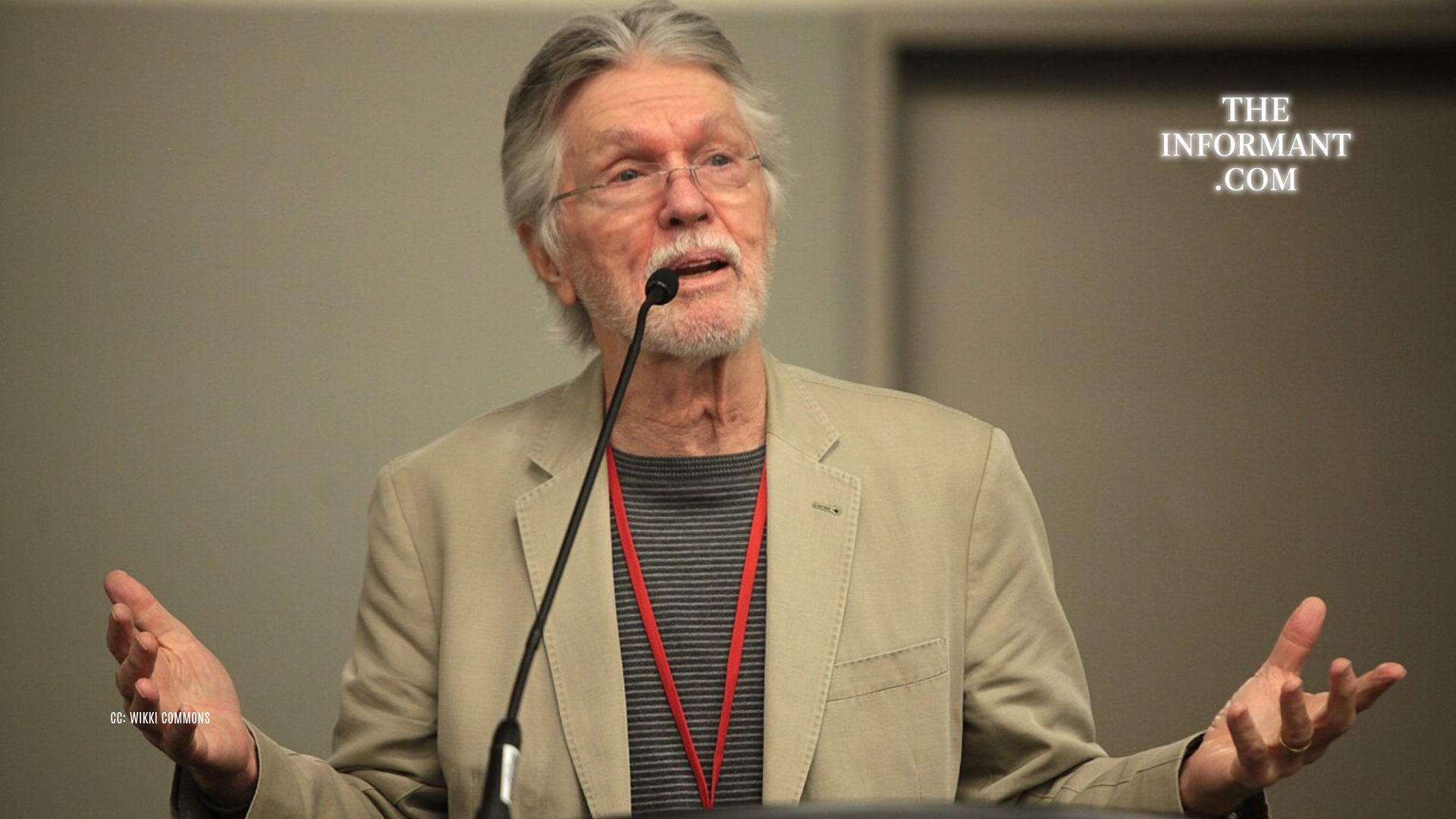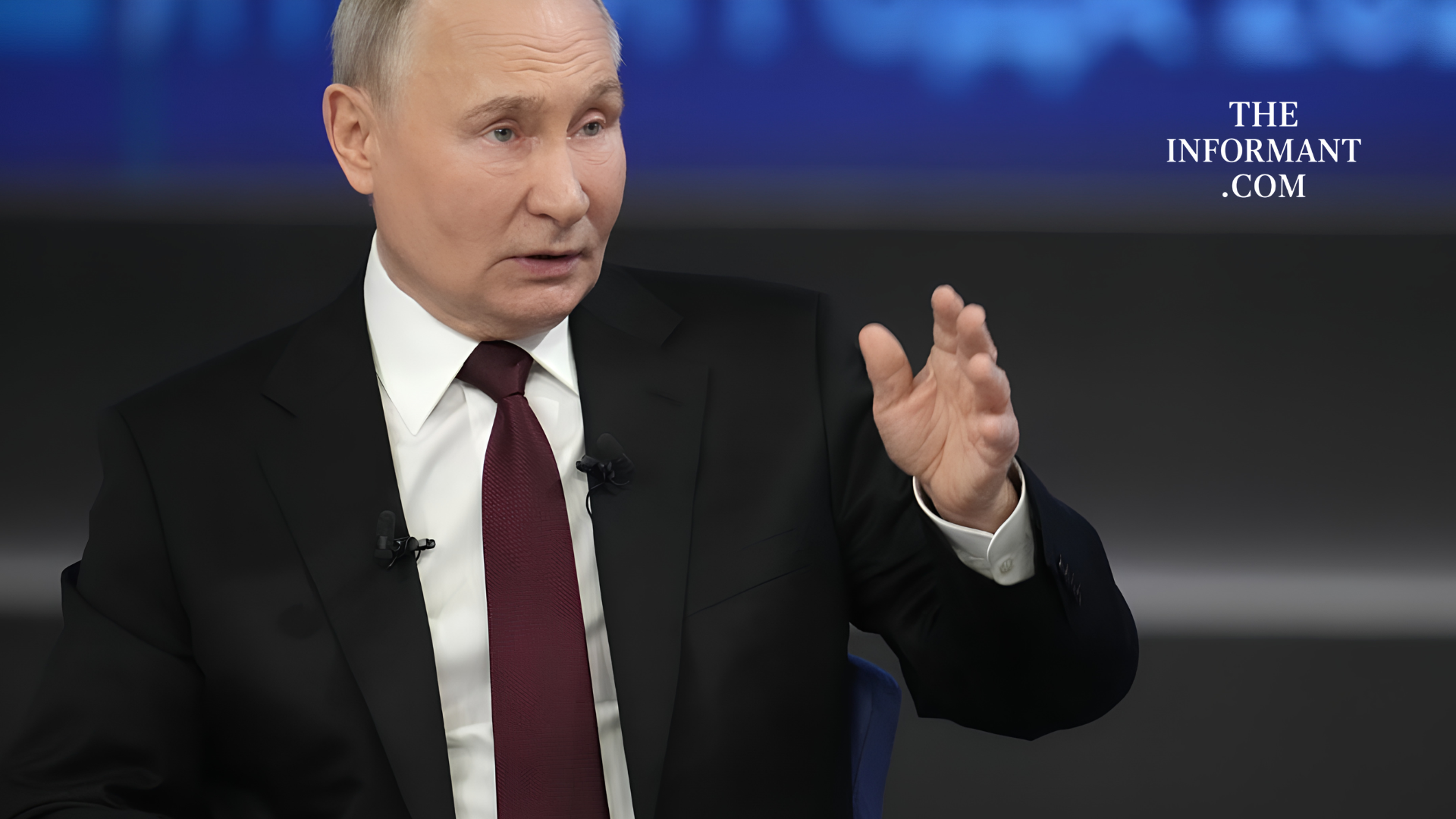
MOSCOW, Russia — October 30, 2026. Russian President Vladimir Putin said Moscow does not want a military confrontation with Europe but is prepared for one if tensions escalate, warning that a wider conflict would have no winners. His remarks, delivered Thursday following a Russia-Africa summit in Moscow, came amid renewed diplomatic contacts with European leaders and continued tensions over the war in Ukraine.
PUTIN WARNS EUROPE AGAINST MILITARY ESCALATION
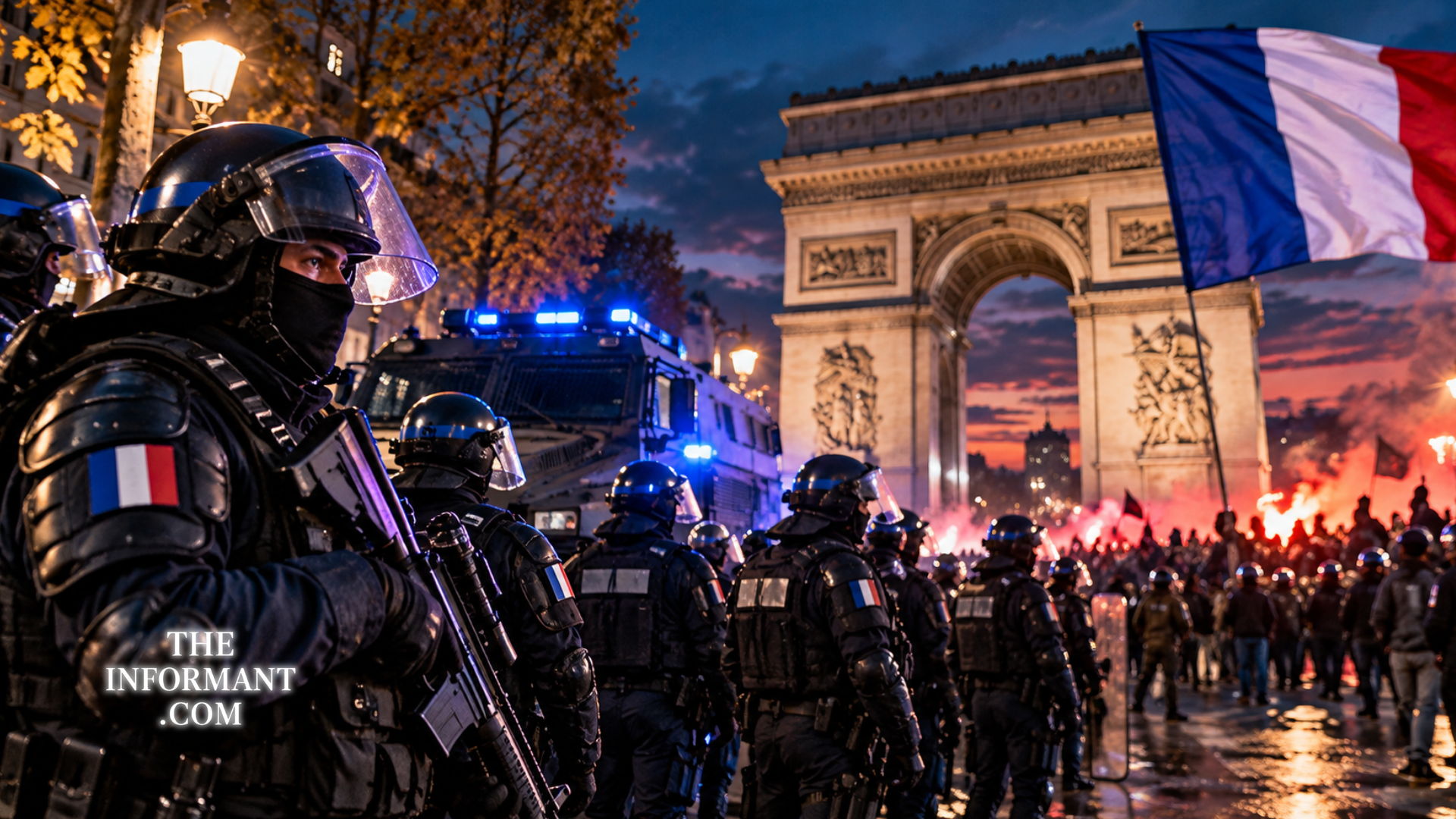
Speaking to reporters on October 29, Putin addressed discussions among European governments about strengthening military preparedness in the coming years.
“First of all, we are ready, but we want no war with Europe,” Putin said, warning that further escalation could have consequences for all sides.
The Russian president also argued that Western efforts to achieve what he described as a strategic defeat of Russia had not succeeded. His comments reflected Moscow’s position as European governments continue assessing regional security threats stemming from Russia’s war against Ukraine.
RUSSIA SIGNALS SUPPORT FOR RENEWED DIPLOMATIC RELATIONS
Despite his warning, Putin expressed support for restoring diplomatic relations with European countries after years of confrontation.
He said Moscow would welcome efforts to rebuild communication, whether through individual European governments or broader European Union channels.
The remarks followed a telephone conversation on October 27 involving Finnish President Alexander Stubb and Norwegian Prime Minister Jonas Gahr Støre, who contacted Putin to discuss the war in Ukraine and possible diplomatic steps toward ending the conflict.
FINLAND AND NORWAY OPEN DIRECT COMMUNICATION
According to the Finnish presidency, Stubb and Støre initiated the call after consultations with Ukraine. Both leaders emphasized the need to end the war and resume negotiations while maintaining support for Ukrainian sovereignty and security.
Finland and Norway share borders with Russia, making regional stability and military developments particularly important to both governments.
Putin welcomed their decision to contact Moscow, despite criticism from some European political circles. He said the two leaders had made clear they were representing their respective countries rather than the European Union as a whole.
UKRAINE WAR REMAINS CENTRAL TO EUROPEAN SECURITY
Russia’s full-scale invasion of Ukraine in February 2022 has severely strained relations between Moscow and European governments, prompting sanctions, military assistance to Kyiv and increased defense spending across Europe.
European leaders have repeatedly emphasized that diplomatic engagement must address Ukraine’s sovereignty, territorial integrity and security.
Although Putin expressed openness to renewed relations, his statements did not announce a ceasefire, a formal peace agreement or a new negotiating framework.
The diplomatic exchanges therefore represent renewed communication rather than a confirmed breakthrough in efforts to end the war.
PUTIN ALSO RAISES CONCERNS OVER THE BALTIC SEA
During his remarks, Putin addressed maritime security in the Baltic Sea, warning against restrictions that could interfere with navigation or increase tensions.
He compared the potential consequences of disrupted Baltic shipping with instability affecting maritime routes elsewhere, including the Strait of Hormuz.
The Russian president said Moscow did not want such a situation but would respond to challenges affecting its interests.
DIPLOMACY AND SECURITY WARNINGS CONTINUE
Putin’s comments underscore the competing messages emerging from Moscow: an expressed willingness to restore diplomatic contacts alongside warnings about Russia’s military readiness.
For European governments, the challenge remains whether renewed dialogue can produce concrete progress toward ending the war in Ukraine while maintaining regional security commitments.
No agreement to normalize relations or reduce military tensions was announced following the conversations with Finland and Norway.