WASHINGTON, D.C. — October 30, 2026. President Donald Trump’s administration is promoting what it describes as an unprecedented wave of investment commitments in the United States, claiming that foreign governments and major corporations have announced approximately $11.3 trillion in planned investments and economic agreements. The White House says the total surpasses the investment commitments secured under any previous U.S. president, although the figure includes several categories of pledges that have not necessarily resulted in actual spending.
WHITE HOUSE HIGHLIGHTS 343 INVESTMENT ANNOUNCEMENTS
According to the administration’s official investment tracker, the $11.3 trillion figure encompasses 343 announced commitments across international agreements, technology, manufacturing, energy and other sectors.
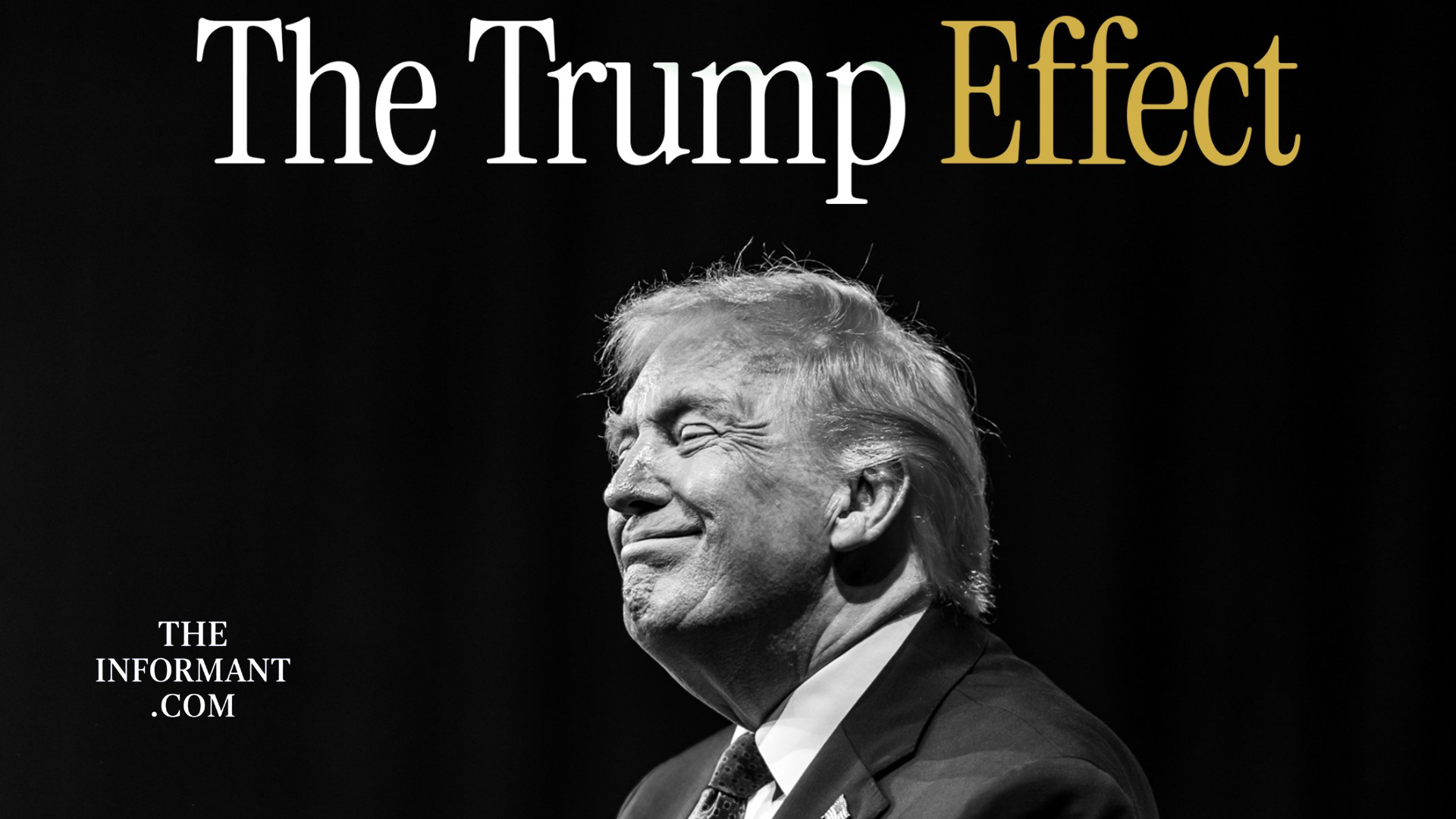
The White House has promoted the initiative under the slogan “The Trump Effect,” arguing that its economic policies, trade negotiations and efforts to attract corporate investment have encouraged companies and foreign governments to expand their economic relationships with the United States.
However, the tracker combines different types of announcements, including multiyear investment plans, trade arrangements, purchasing commitments and proposed projects.
FOREIGN GOVERNMENTS ACCOUNT FOR TRILLIONS IN AGREEMENTS
The administration attributes approximately $5.77 trillion of its reported total to agreements involving foreign countries.
Among the largest commitments highlighted by the White House are approximately $1.4 trillion associated with the United Arab Emirates, $1.2 trillion involving Qatar and $1 trillion linked to Japan.
These arrangements cover a range of economic activities, including investment frameworks, energy partnerships, technology cooperation and purchases of American goods.
The announced figures do not necessarily represent funds already transferred into the U.S. economy. Some agreements involve spending targets extending over several years, while others include commercial transactions that differ from direct investment.
TECHNOLOGY COMPANIES FEATURE PROMINENTLY
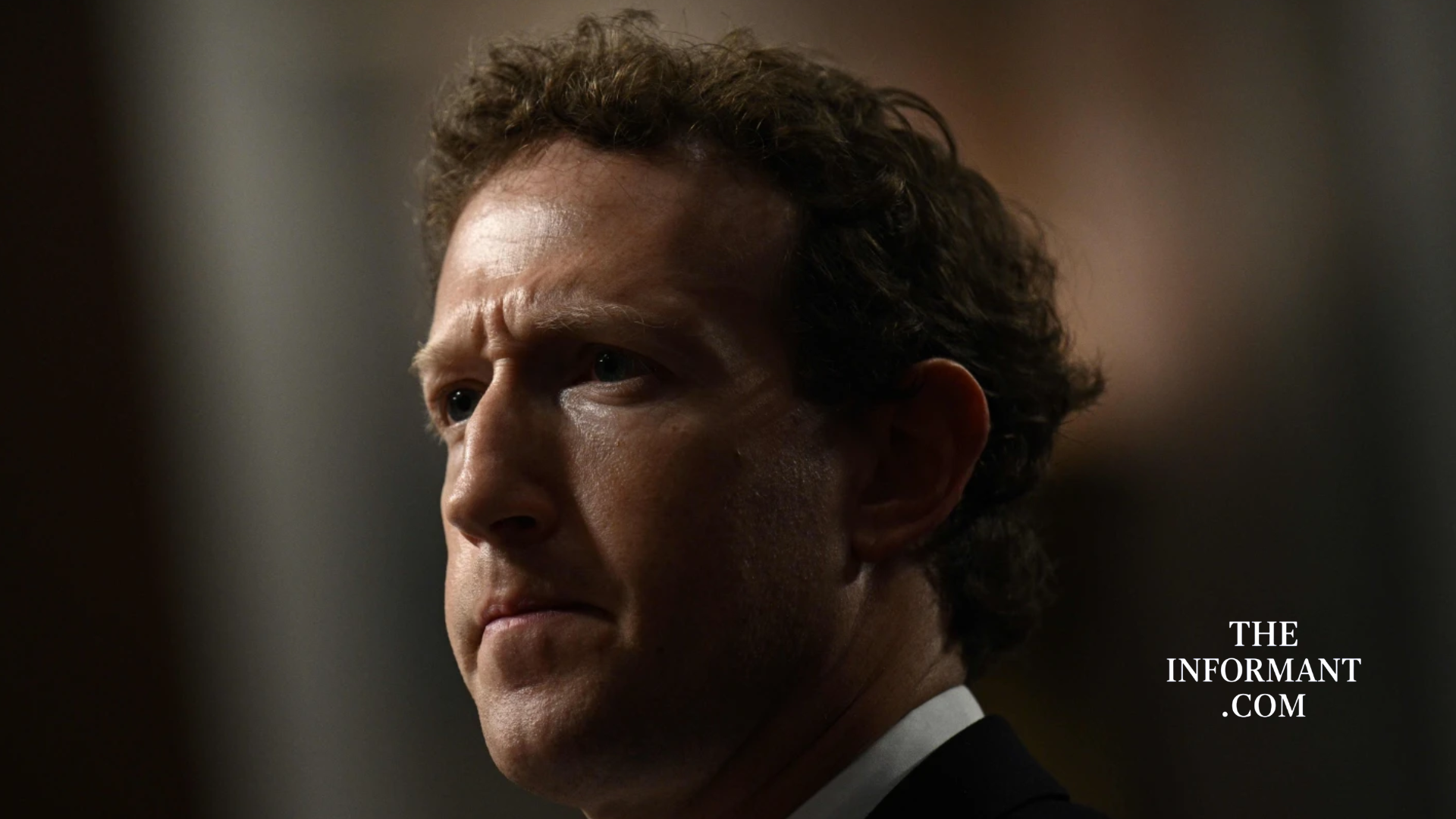
The administration also lists approximately $3.07 trillion in technology-related announcements, highlighting major companies such as NVIDIA, Meta and Apple.
Corporate plans referenced in the White House tracker include investments in artificial intelligence infrastructure, semiconductor technology, data centers and domestic manufacturing.
These projects could support construction activity, equipment purchases and employment if implemented as announced. However, the economic impact depends on the timing, location and actual execution of each company’s plans.
ECONOMISTS QUESTION THE TOTAL
The White House’s $11.3 trillion figure has drawn scrutiny over its methodology and the distinction between announced commitments and realized investment.
Some independent economic assessments suggest that the total includes nonbinding pledges, long-term commercial objectives and agreements that should not be classified as direct capital investment.
Analysts have suggested that a narrower interpretation could produce a figure closer to $7 trillion, although that estimate also requires careful examination of which announcements are included and how they are valued.
INVESTMENT ANNOUNCEMENTS ARE NOT THE SAME AS COMPLETED PROJECTS
Economists distinguish between foreign direct investment, corporate capital expenditures, purchase agreements and broader economic cooperation frameworks.
A foreign government’s pledge to purchase American goods, for example, may increase trade without constituting an equivalent investment in U.S. facilities or infrastructure.
Similarly, a corporation’s announcement of a multiyear spending plan does not guarantee that the entire amount will be invested, particularly if market conditions, financing or business priorities change.
WHITE HOUSE DEFENDS ITS ECONOMIC STRATEGY
The Trump administration argues that the scale of announced commitments demonstrates international confidence in the U.S. economy and its economic agenda.
The investment tracker serves as a central part of the White House’s messaging on economic growth, industrial expansion and efforts to strengthen domestic production.
The administration has also emphasized the role of major technology companies and international partners in supporting infrastructure and advanced manufacturing projects.
THE KEY QUESTION: HOW MUCH INVESTMENT WILL MATERIALIZE?
The long-term economic significance of the announced commitments will depend on how many projects move from public announcements to construction, equipment purchases and completed facilities.
Independent measurements of capital investment, foreign direct investment and business spending will provide a clearer picture of the economic impact over time.
For now, the $11.3 trillion total remains an administration-reported figure rather than a verified measure of money already invested in the United States.