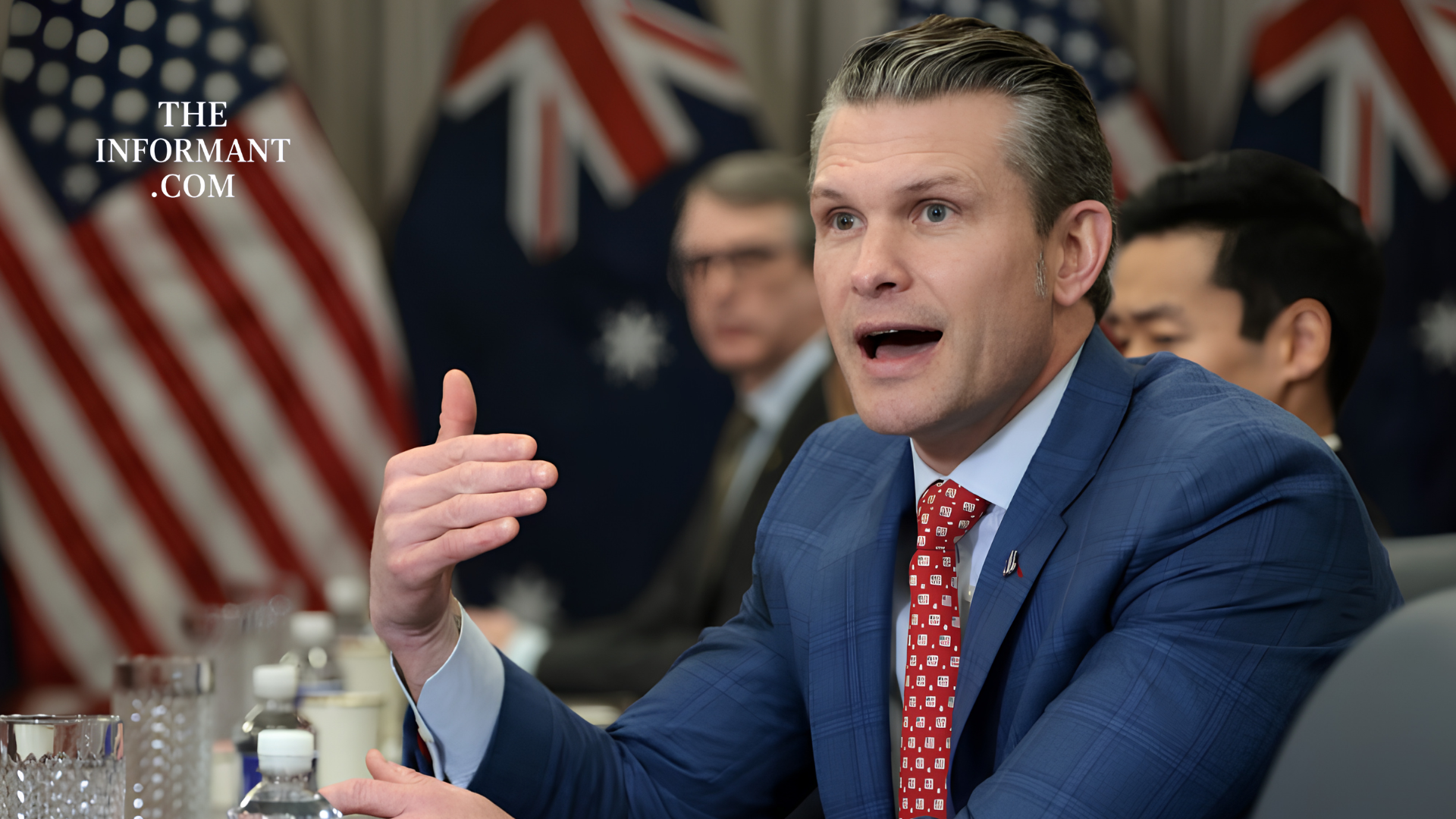
UNITED NATIONS, New York — October 28, 2026. U.S. Ambassador to the United Nations Mike Waltz accused a Cuban diplomat of attempting to intimidate UN personnel into cutting off his microphone during a contentious General Assembly debate over Washington’s decades-long economic embargo against Cuba.
The confrontation occurred Tuesday, October 27, when Waltz criticized the Cuban government’s leadership and accused its officials of enjoying privileges while ordinary citizens faced severe economic hardship. Cuban Foreign Minister Bruno Rodríguez Parrilla and members of his delegation interrupted the speech, leading to a heated exchange captured on video.
CUBAN DELEGATION INTERRUPTS U.S. AMBASSADOR’S SPEECH
The dispute began as Waltz urged UN member states to oppose the annual General Assembly resolution calling for an end to the U.S. economic embargo against Cuba.
During his remarks, Waltz displayed photographs and criticized what he described as corruption and luxury among Cuba’s political elite.
Members of the Cuban delegation responded by shouting objections, striking their desks and demanding a point of order.
Foreign Minister Bruno Rodríguez approached the front of the assembly and accused Waltz of lying.
Waltz demanded that Rodríguez move away from the podium, while the General Assembly’s presiding officer repeatedly called for order.
The confrontation briefly disrupted the proceedings before the U.S. ambassador resumed his remarks.
MIKE WALTZ ALLEGES ATTEMPT TO CUT OFF MICROPHONES
Following the incident, Waltz published a statement on X accusing a member of the Cuban delegation of pressuring UN staff to silence the American representatives.
He alleged that the diplomat attempted to have the microphones switched off while he was criticizing the Cuban government.
Waltz further claimed that the same individual confronted an American diplomat who noticed the interaction and began recording.
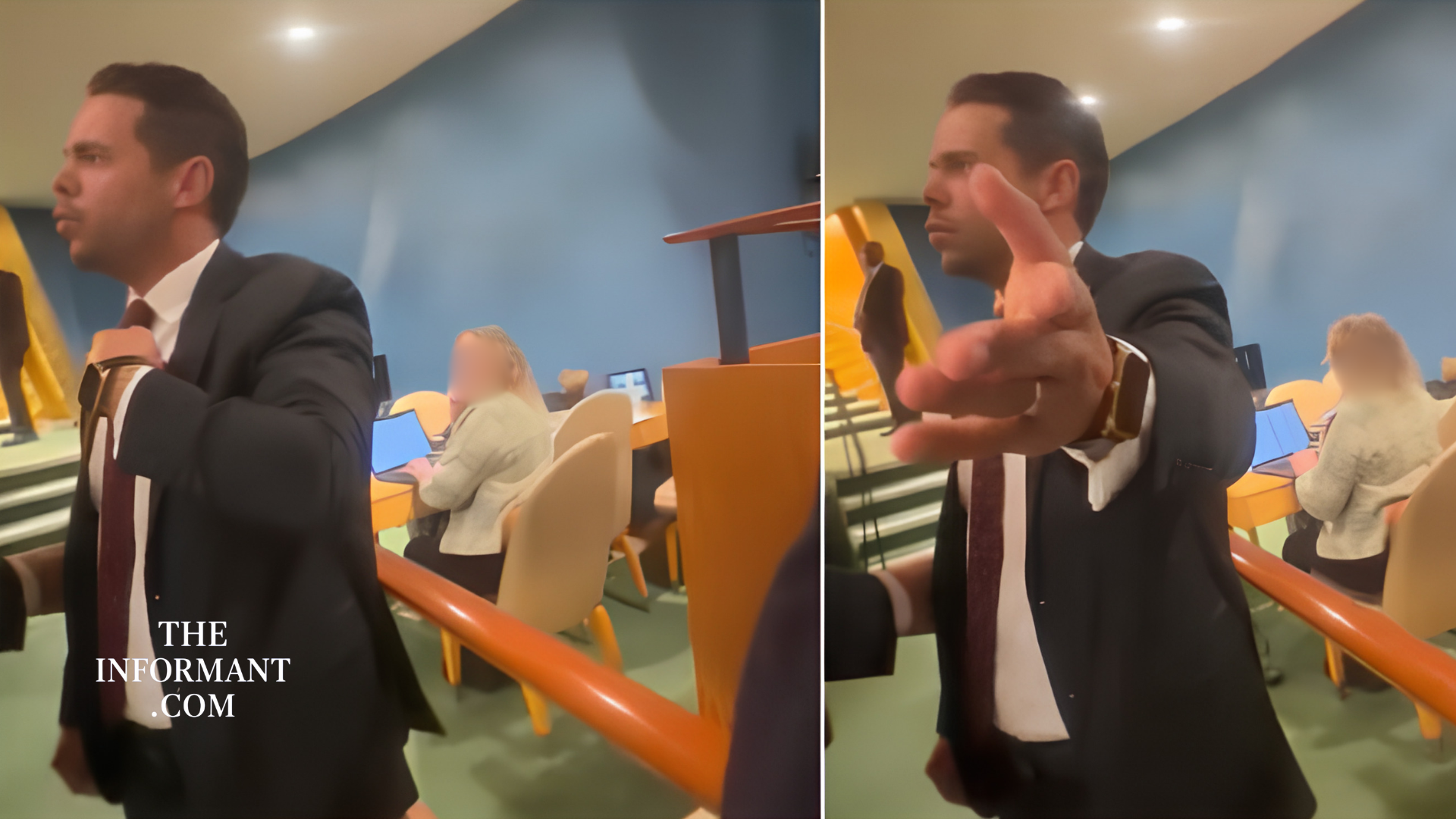
Video circulated by the U.S. ambassador shows a Cuban representative approaching the American official and interfering with his attempt to record the confrontation.
The footage documents a physical interaction, but the specific allegation that UN staff were pressured to cut the microphones has not been independently established through a public UN finding.
VIDEO SHOWS CONFRONTATION WITH U.S. DIPLOMAT
Additional footage shows a member of the Cuban delegation confronting J. P. Freire, a spokesperson associated with the U.S. ambassador.
The Cuban official appears to reach toward or obstruct the phone being used to record the proceedings.
Waltz characterized the incident as intimidation and alleged that the diplomat shoved or attempted to assault an American representative.
The complete circumstances of the physical interaction have not been established through an independent investigation.
The confrontation occurred inside the United Nations headquarters in New York, where diplomatic representatives are expected to observe established procedures and rules of conduct.
UNITED STATES ANNOUNCES EXPULSION OF CUBAN DIPLOMAT
On October 28, Waltz announced that Secretary of State Marco Rubio had signed documents to expel the Cuban diplomat accused of confronting the American official.
During an appearance on Fox News, Waltz said the individual was expected to leave the United States for Havana within 24 hours.
He identified the official as a first secretary of the Cuban delegation.
The announcement represents a significant diplomatic response to the confrontation.
However, Waltz’s statement confirms the U.S. decision to expel the official, not that the individual had already departed American territory.
The Cuban government had not publicly issued a detailed response specifically addressing the announced expulsion at the time of the initial reporting.
BRUNO RODRÍGUEZ REJECTS U.S. ACCUSATIONS
Cuban Foreign Minister Bruno Rodríguez strongly criticized Waltz’s presentation before the General Assembly.
Rodríguez accused the American ambassador of making false statements and engaging in conduct he considered inappropriate for the international forum.
He also rejected Washington’s broader campaign against the Cuban government, describing the economic embargo as a form of collective punishment against the Cuban population.
The Cuban minister argued that the United States was using political pressure and public accusations to influence the annual UN vote.
His statements reflect the Cuban government’s position and are disputed by U.S. officials, who argue that Havana’s policies are responsible for significant restrictions on political and economic freedoms.
UN DEBATE CENTERS ON DECADES-LONG CUBA EMBARGO
The confrontation took place during the General Assembly’s annual consideration of a resolution calling for the United States to end its economic, commercial and financial embargo against Cuba.
The embargo has been a major source of disagreement between Washington and Havana for more than six decades.
For decades, the UN General Assembly has adopted resolutions opposing the restrictions by substantial majorities.
In the previous year’s vote, 165 countries supported the resolution, seven opposed it and 12 abstained.
The resolutions are nonbinding and do not independently terminate U.S. sanctions.
Congressional action would be required to remove the principal statutory components of the embargo.
TRUMP ADMINISTRATION INTENSIFIES PRESSURE ON CUBA
The confrontation comes amid President Donald Trump’s renewed campaign to increase economic and diplomatic pressure on the Cuban government.
In January 2026, the administration announced measures threatening tariffs against countries supplying oil to Cuba.
The policy has contributed to severe fuel shortages and widespread electricity disruptions across the island.
U.S. officials argue that stronger pressure is necessary to encourage political reforms and challenge the Cuban government’s treatment of dissidents.
Cuban authorities counter that the restrictions worsen humanitarian conditions and undermine the country’s economic stability.
The competing arguments remain central to the international debate over Washington’s Cuba policy.
DIPLOMATIC DISPUTE RAISES QUESTIONS ABOUT UN PROCEDURES
The exchange between Waltz and Rodríguez drew attention because of its unusually confrontational nature.
General Assembly debates normally follow procedures governing speaking time, points of order and the conduct of national delegations.
Delegates may raise procedural objections, but the presiding officer is responsible for maintaining order and determining how proceedings continue.
The alleged attempt to interfere with microphones and the physical confrontation involving an American diplomat raise additional questions about conduct inside UN facilities.
Any formal findings concerning violations of UN procedures would require clarification from the organization or other competent authorities.
WHAT HAPPENS NEXT?
The United States has announced the expulsion of the Cuban diplomat accused of confronting the American representative.
Further developments may clarify whether the official has left the country and whether Cuba will take any reciprocal diplomatic action.
Meanwhile, the General Assembly is considering the annual resolution opposing the U.S. embargo.
The incident highlights the increasingly strained relationship between Washington and Havana, with both governments presenting sharply different accounts of the political and humanitarian situation in Cuba.
For now, the heated confrontation is documented on video, while Waltz’s allegations about attempts to silence American diplomats remain claims made by the U.S. ambassador.