WASHINGTON, D.C. — October 28, 2026. The White House has renewed its criticism of paper drinking straws, highlighting a South Korean government-commissioned study that found conventional plastic straws had lower environmental impacts than paper alternatives across several measures.
The administration promoted the findings with a message declaring that President Donald Trump had been right to challenge paper straws. The study, disclosed in South Korea on October 21 and reported by The Korea Herald on October 22, examined 16 environmental impact categories and found that conventional plastic straws performed better than the alternatives in 10 of them.
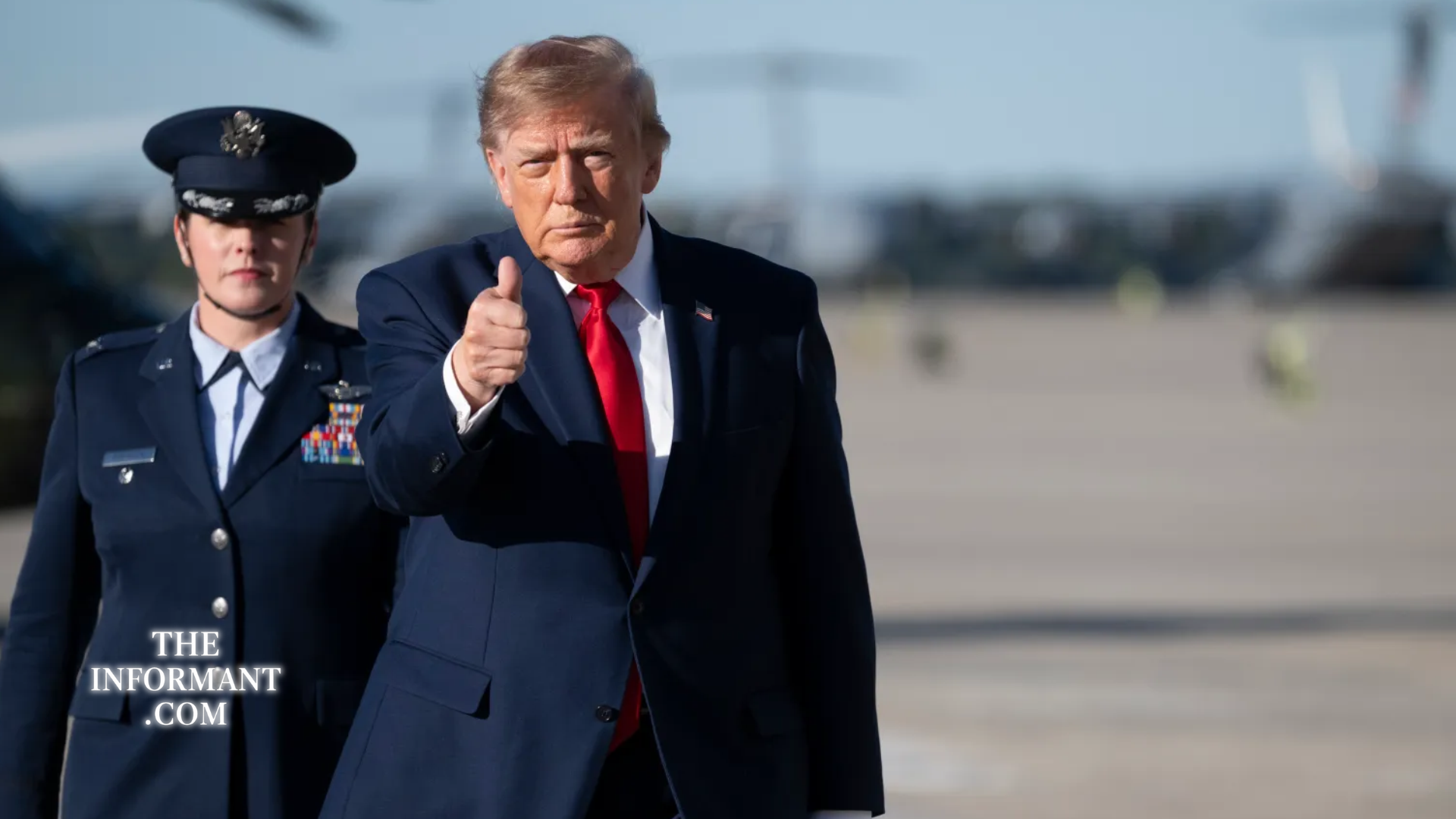
WHITE HOUSE REVIVES TRUMP’S PAPER STRAW DEBATE
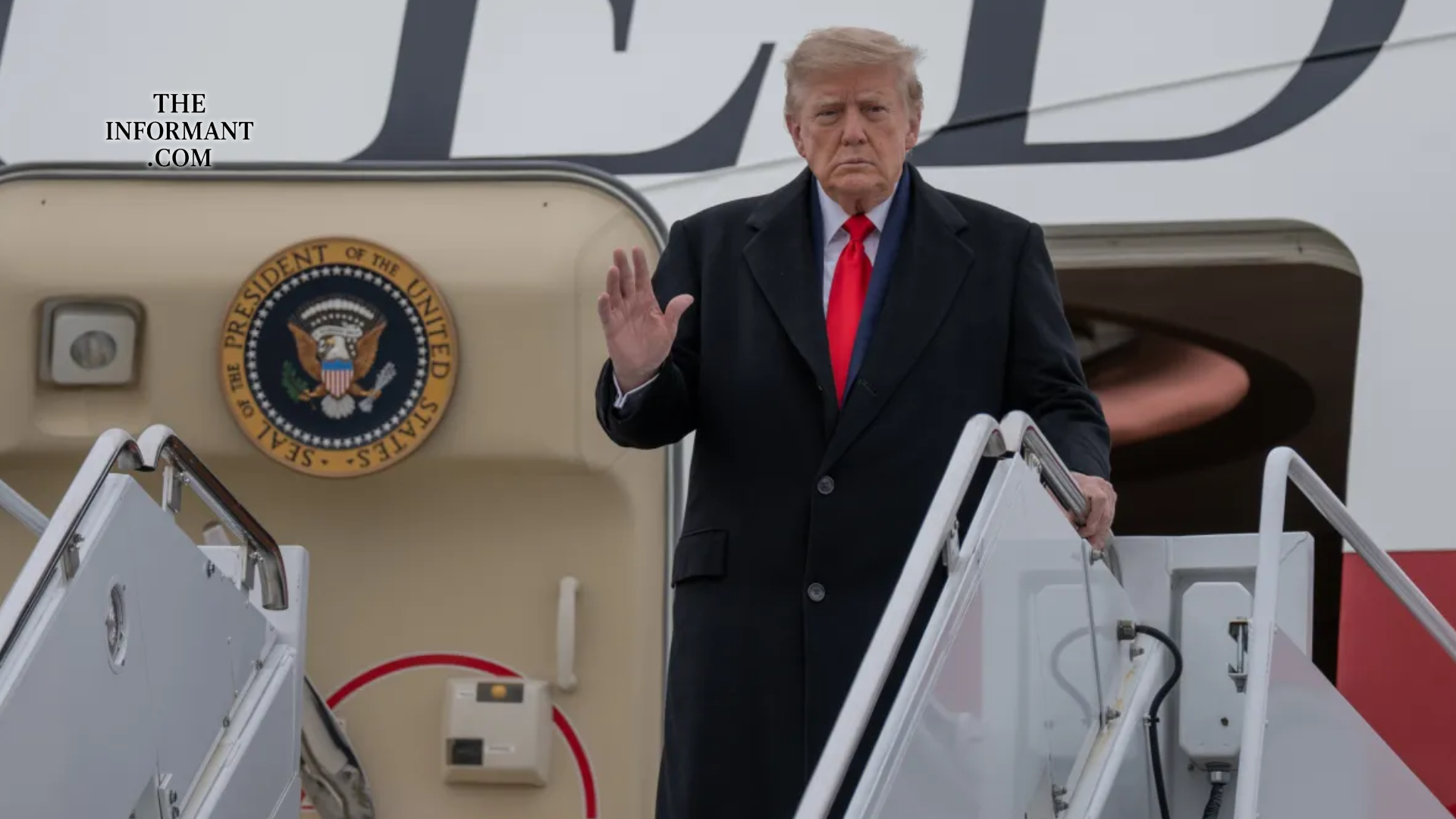
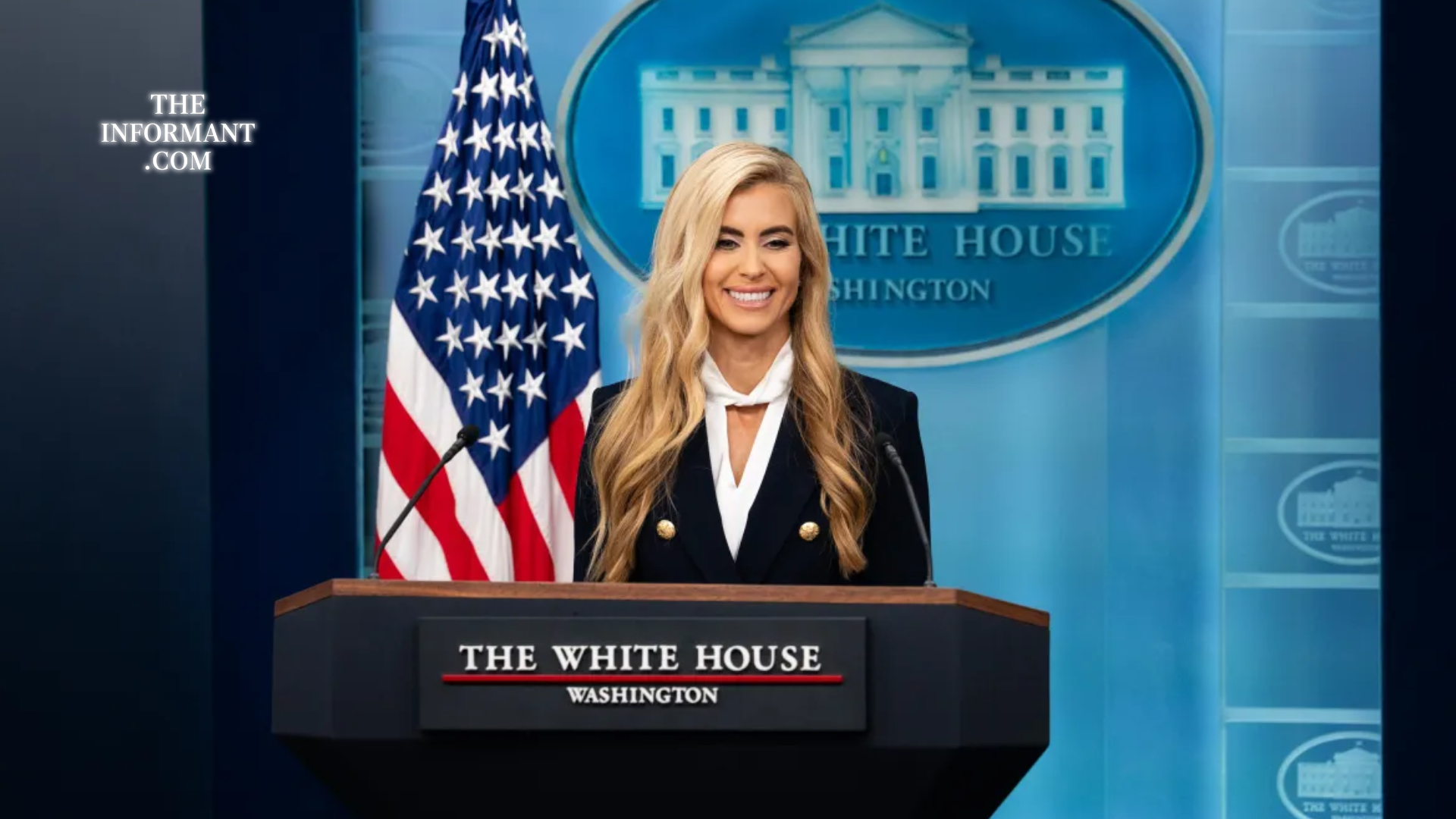
The White House shared a message supporting Trump’s long-standing opposition to paper straws, referencing recent reporting about their environmental performance.
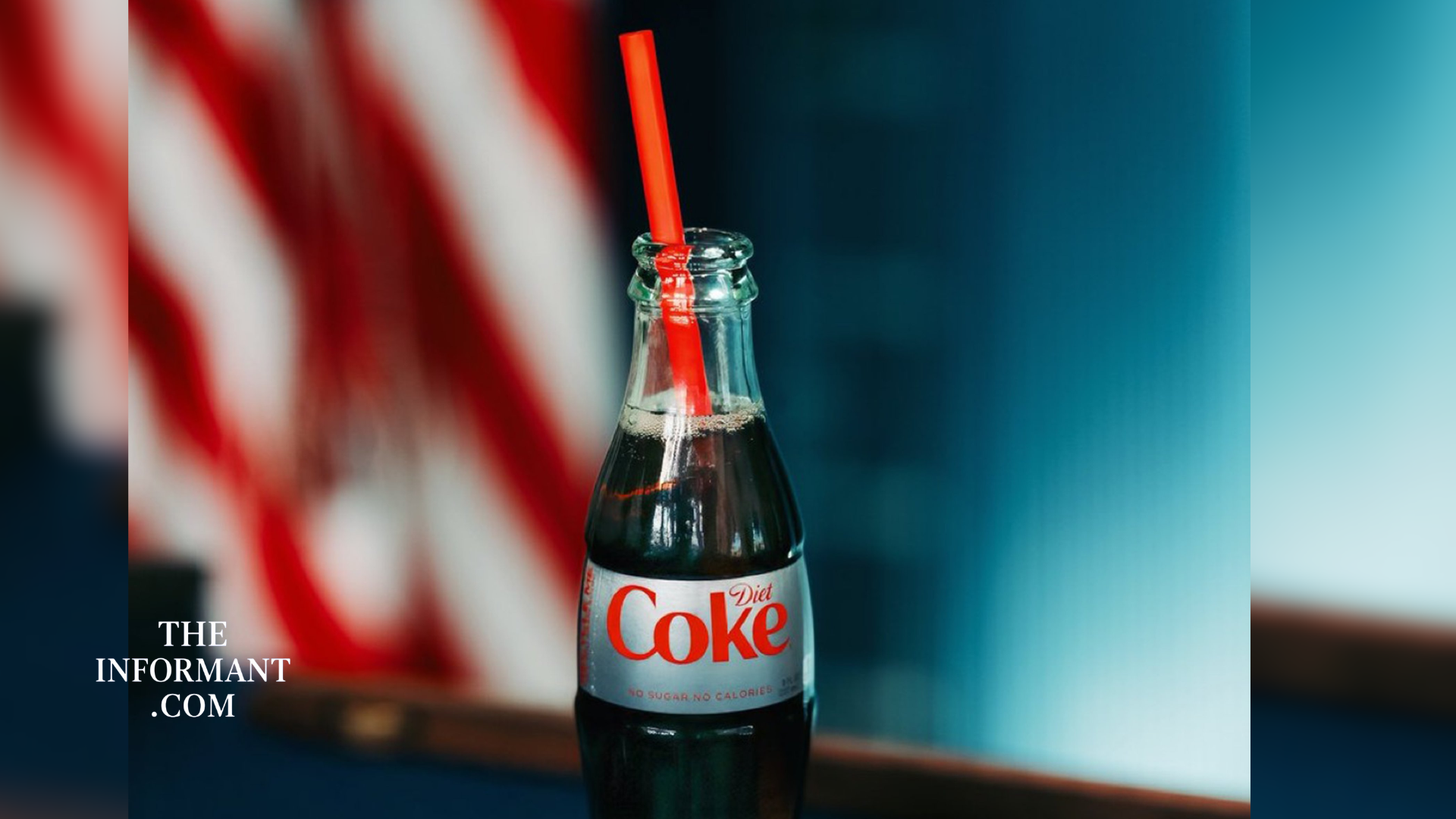
The promotional image featured a Diet Coke bottle with a red plastic straw against an American flag, alongside a headline about the South Korean research.
The message echoed Trump’s earlier criticism of paper straws, which he has repeatedly described as ineffective substitutes for plastic.
In February 2025, Trump signed an executive order directing federal agencies to stop purchasing and providing paper straws in federal buildings.
The new research has given the administration additional material to support its position, although the study does not establish that plastic straws are environmentally preferable in every circumstance.
SOUTH KOREAN STUDY EXAMINES FOUR STRAW MATERIALS
The research was commissioned by South Korea’s Ministry of Climate, Energy and Environment and conducted by the Korean Society for Life Cycle Assessment.
The project ran from May 2025 through April 2026, according to the reported study details.
Researchers compared four materials: conventional polypropylene plastic, paper, biodegradable plastic and plant-based polyethylene, also known as bio-PE.
The assessment considered environmental effects from raw material extraction and manufacturing through disposal.
Sixteen categories were evaluated, including climate change, acidification, particulate matter, human toxicity and ozone-related impacts.
The results were disclosed by opposition lawmaker Kim Wi-sang of South Korea’s People Power Party.
PLASTIC STRAWS SCORE BETTER IN 10 OF 16 CATEGORIES
According to the findings, conventional plastic straws had the lowest environmental impact in 10 of the 16 categories examined.
These included climate change, acidification, particulate matter and certain human toxicity indicators.
Paper straws performed worse in several categories, including a modeled measure of carcinogenic environmental impact.
The researchers found that paper straws scored 6.33 times higher than conventional plastic straws on that measure.
Paper alternatives also produced 2.04 times the acidification impact.
These comparisons challenge the assumption that replacing a plastic straw with a paper version necessarily reduces every type of environmental harm.
However, the findings depend on the study’s assumptions about production methods, energy use, materials and waste disposal.
WHAT DOES THE 6.33 TIMES CANCER-RELATED FIGURE MEAN?
One of the study’s most widely circulated findings concerns the modeled human carcinogenic impact of paper straws.
The measure evaluates potential health-related impacts associated with emissions across a product’s life cycle.
It does not mean that drinking through a paper straw makes a person 6.33 times more likely to develop cancer.
Nor does it establish that paper straws directly cause cancer in consumers.
The distinction is important because life-cycle impact assessments estimate potential environmental burdens rather than measuring individual medical outcomes.
The study’s findings should therefore not be interpreted as direct clinical evidence about the safety of using a paper straw.
BIO-BASED PLASTIC PERFORMS WORSE IN SEVERAL MEASURES
The assessment also found that some alternative plastic materials had greater environmental impacts than conventional polypropylene.
Bio-based polyethylene, which can be manufactured using renewable feedstocks such as sugarcane, recorded 16.18 times the modeled carcinogenic impact and 5.9 times the acidification impact of conventional plastic.
The material performed worst in 10 of the 16 environmental categories.
Biodegradable plastic also recorded higher impacts than conventional plastic in several measures.
The findings highlight the importance of distinguishing renewable feedstocks from actual biodegradability.
A plastic produced from plants is not necessarily biodegradable, and a biodegradable product does not automatically have a lower environmental impact across its entire life cycle.
RESEARCHERS ASSUME MOST STRAWS ARE INCINERATED
The study used South Korean waste-management data to model the disposal of used straws.
Researchers assumed that approximately 73.6% of discarded straws were incinerated and 26.4% were sent to landfills.
Those assumptions are significant because disposal methods can substantially affect life-cycle results.
The researchers also found that all four types of straws are difficult to recycle in practice.
Their small size makes them challenging for waste-sorting facilities, while coatings and adhesives can complicate the recycling of paper products.
The study does not establish that the same results would necessarily apply in countries with different electricity systems, manufacturing processes or waste-management practices.
TRUMP REVERSED FEDERAL PAPER STRAW POLICY IN 2025
On February 10, 2025, Trump signed Executive Order 14208, titled Ending Procurement and Forced Use of Paper Straws.
The directive instructed federal agencies to eliminate paper straw purchases and stop providing them in federal buildings.
It also required the development of a national strategy addressing federal policies that discouraged plastic straws.
The decision reversed the direction of previous federal sustainability initiatives that sought to reduce reliance on disposable plastics.
Trump argued that paper alternatives were less functional, more expensive and not necessarily better for the environment.
Environmental advocates, meanwhile, have emphasized concerns about persistent plastic pollution, marine debris and the long-term accumulation of plastic waste.
DOES THE STUDY PROVE PLASTIC STRAWS ARE BETTER FOR THE ENVIRONMENT?
The research provides evidence that conventional plastic straws can perform better than paper alternatives under certain life-cycle assessment conditions.
However, a product’s environmental performance cannot always be reduced to a single measurement.
The study examined 16 categories, and conventional plastic did not perform best in all of them.
Plastic pollution, litter, wildlife exposure and local waste-management conditions can also influence environmental policy decisions.
A life-cycle assessment is useful for comparing production and disposal impacts, but its results must be interpreted within the boundaries of the model.
The study therefore supports a more detailed comparison of straw materials rather than a universal conclusion that plastic is always environmentally superior.
RESEARCHERS RECOMMEND REDUCING DISPOSABLE STRAW USE
Despite the favorable results for conventional plastic in many categories, the researchers did not recommend unrestricted use of disposable plastic straws.
Instead, they suggested reducing overall consumption of single-use straws.
Their recommendation included having restaurants and cafes provide straws only when customers request them.
A survey of 1,001 people included in the research found that 54.4% supported an on-request approach.
This recommendation addresses the environmental impacts of disposable products regardless of the material used.
WHAT HAPPENS NEXT?
The findings could influence debates about disposable-plastic restrictions, consumer choice and the environmental performance of substitute materials.
For the Trump administration, the research provides additional support for its criticism of mandatory paper-straw policies.
For environmental researchers and policymakers, the results illustrate the need to consider multiple environmental indicators rather than assuming that a material is sustainable simply because it is made from paper or plants.
The broader challenge remains reducing unnecessary waste while identifying materials and systems that perform well under real-world conditions.
The South Korean study adds important evidence to that discussion, but it does not eliminate the environmental concerns associated with plastic pollution.