MILAN, ITALY — October 28, 2026. Italian Prime Minister Giorgia Meloni has sharply criticized a Milan judge’s decision to release Youssef Siher, a researcher detained during an investigation into alleged online incitement connected to violent demonstrations in the city. The ruling has triggered a confrontation between government leaders and the judiciary, raising questions about public security, criminal evidence and judicial independence.
Siher, a 30-year-old Italian researcher and freelance journalist of Moroccan descent, was detained on October 24 after prosecutors accused him of involvement in activities associated with the Telegram group Movimento 17 ottobre. Judge Tiziana Landoni refused to validate his detention on Wednesday, concluding that investigators had not presented sufficiently strong evidence to support the alleged offenses or justify keeping him in custody.
MELONI CALLS THE JUDGE’S DECISION SHAMEFUL
In a video published on social media, Meloni described the ruling as “shameful” and argued that releasing Siher undermined the work of police officers, investigators and public officials responsible for protecting residents and businesses.
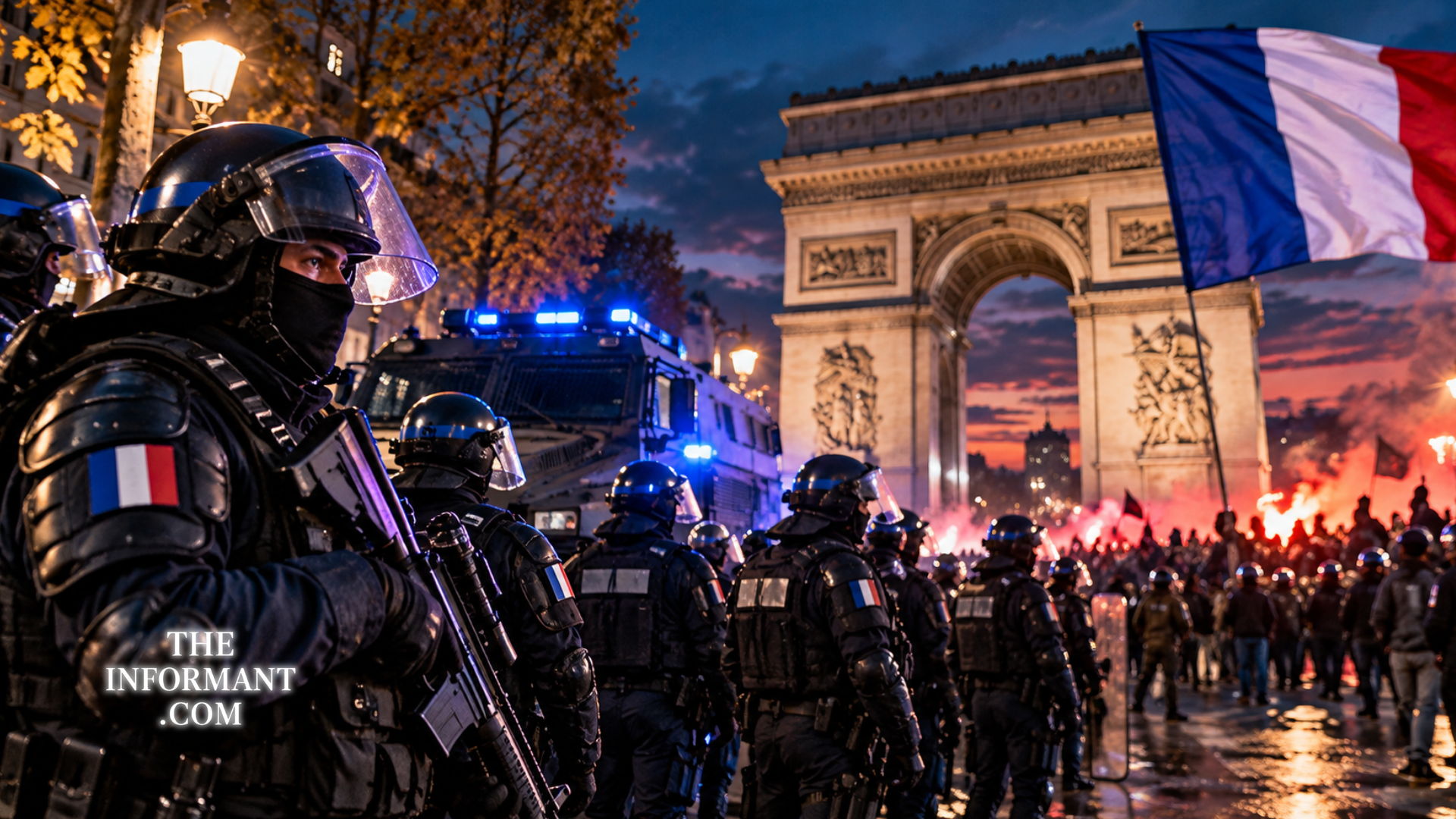
The prime minister linked the controversy to the widespread property damage and looting that occurred in Milan during October 17–18 demonstrations. Deputy Prime Minister Matteo Salvini also criticized the release, emphasizing the seriousness of the offenses prosecutors had alleged and questioning how authorities could prevent further violence.
WHY THE MILAN JUDGE ORDERED SIHER’S RELEASE
The decision followed a judicial review of accusations involving incitement to commit crimes, alleged terrorist intent and organized violence during public demonstrations.
According to reporting on Landoni’s 37-page ruling, the judge found that the evidence collected did not sufficiently establish that Siher personally encouraged violent conduct. Investigators had cited messages from the Telegram group, but the court distinguished statements written by other users from actions directly attributable to Siher.
The judge also found that his own communications concerned opposition to government policies, civil disobedience and plans for future demonstrations rather than proven instructions to commit violent crimes. She rejected the request for pretrial detention. Siher denied wrongdoing, and the decision does not prevent further investigation if additional evidence emerges.
A KEY TIMELINE DETAIL CHALLENGES THE ALLEGED CONNECTION
An important distinction has emerged in the case: the Movimento 17 ottobre Telegram channel was established after the October 17–18 disturbances that damaged businesses in Milan.
That chronology undermines suggestions that the channel itself organized those earlier events. Prosecutors had also investigated communications encouraging participation in demonstrations planned for October 24, but the judge found insufficient evidence that Siher had promoted or supported violence through those messages.
The distinction does not diminish the seriousness of the documented looting and property destruction. It concerns whether prosecutors established a legally sufficient connection between those criminal acts and the individual they sought to detain.
MILAN COURT LEADERS REJECT THE GOVERNMENT’S CRITICISM
The controversy intensified when Milan court leaders Fabio Roia and Ezia Maccora defended the judicial ruling in a public statement. They rejected criticism from senior political officials and emphasized the importance of applying constitutional principles and established legal standards.
Italy’s National Magistrates Association also expressed solidarity with Landoni, arguing that political attacks on judges threaten judicial independence. The exchange has developed into a broader disagreement over how government officials should respond when courts reject the detention requests of prosecutors.
ITALY’S SECURITY POLICY FACES RENEWED SCRUTINY
The dispute comes after Meloni’s government introduced tougher security measures following the Milan unrest, including provisions addressing violent participation in demonstrations and additional law enforcement resources.
The government maintains that stronger penalties and enforcement measures are necessary to protect communities and businesses. Critics argue that public security initiatives must operate within constitutional safeguards, including freedom of expression, the right to peaceful assembly and the presumption of innocence.
For now, Siher has been released, but the judicial decision is not a final trial verdict. The next development will depend on whether prosecutors pursue further investigative steps and whether the confrontation between the government and the judiciary leads to additional institutional or legislative debate.