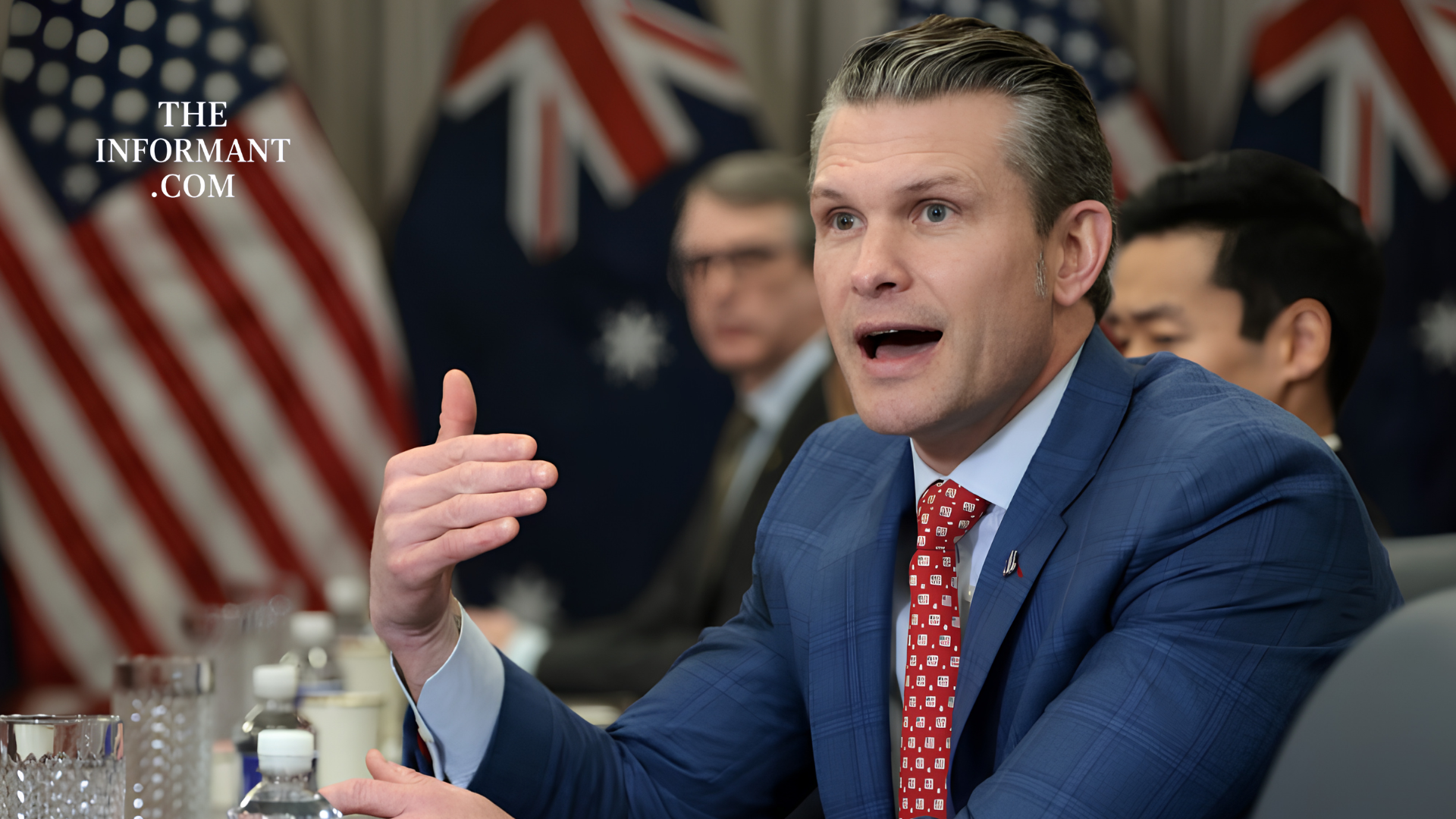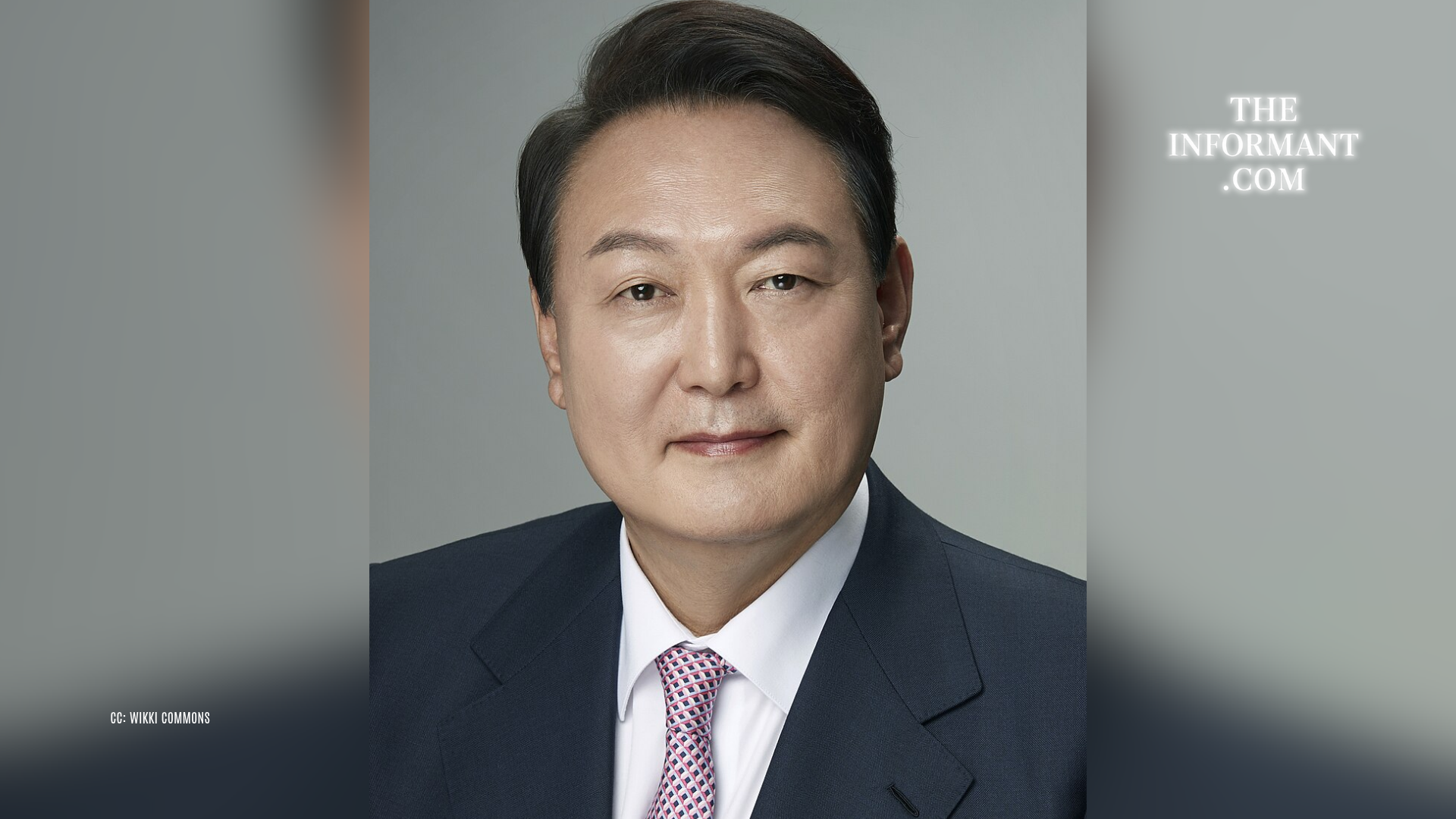
SEOUL, SOUTH KOREA — October 29, 2026. Former South Korean President Yoon Suk Yeol is facing a renewed demand for capital punishment after special prosecutors urged an appeals court to replace his existing life sentence with the death penalty. The request, presented Thursday before the Seoul High Court, marks another critical stage in the prosecution arising from Yoon’s failed declaration of martial law in December 2024, an episode that led to his removal from office and a landmark criminal conviction.
The special prosecution team, led by Cho Eun-suk, argued that the original punishment failed to reflect the seriousness of Yoon’s actions. Prosecutors maintain that the former president attempted to undermine South Korea’s constitutional system by deploying military and police forces against democratic institutions. Yoon disputes the prosecution’s interpretation of his intentions and is appealing his February 2026 conviction.
WHY PROSECUTORS WANT YOON SENTENCED TO DEATH
The October 29 hearing focused on whether life imprisonment adequately punishes the former president’s role in the martial law crisis. Prosecutors argued that the declaration was not an impulsive decision but the result of preparations extending over several months. They also challenged the lower court’s reliance on mitigating circumstances, including the relatively brief duration of martial law and the limited violence that occurred before it was overturned.
According to the prosecution, Yoon abused the authority entrusted to him as president and attempted to neutralize the legislature. Investigators contend that plans existed to detain political figures and prevent lawmakers from exercising their constitutional powers. The special counsel argued that the highest penalty permitted under South Korean law was appropriate. Those arguments are now before the appeals court, which has not issued a new ruling.
HOW THE DECEMBER 2024 MARTIAL LAW CRISIS UNFOLDED
On December 3, 2024, Yoon unexpectedly announced emergency martial law, accusing opposition politicians of obstructing the government and threatening national stability. Armed troops and police were deployed around the National Assembly, while the decree attempted to restrict political activities. Lawmakers nevertheless gathered and voted to demand that martial law be lifted. The measure lasted approximately six hours before it was withdrawn.
The political consequences were immediate. South Korea’s National Assembly impeached Yoon later that month, and the Constitutional Court formally removed him from office on April 4, 2025. In February 2026, the Seoul Central District Court convicted him of leading an insurrection and sentenced him to life imprisonment. The ruling found that the deployment of armed forces against the legislature was intended to disrupt the constitutional order.
SOUTH KOREA HAS NOT CARRIED OUT AN EXECUTION SINCE 1997
Although South Korean law permits capital punishment for leading an insurrection, the country has maintained a de facto moratorium on executions for nearly three decades. Its last executions were carried out on December 30, 1997. Amnesty International classifies South Korea as abolitionist in practice because the death penalty remains legally available but is no longer carried out.
This distinction is central to Yoon’s appeal. Even if the Seoul High Court were to impose a death sentence, that would not automatically mean an execution would take place. Prosecutors argue that the longstanding absence of executions should not prevent judges from imposing a penalty authorized by law. The defense disputes the prosecution’s conclusions and maintains that Yoon’s actions were intended to draw attention to what he viewed as an institutional crisis.
OTHER FORMER OFFICIALS ALSO FACE PRISON SENTENCES
The martial law investigation has resulted in convictions involving several former senior officials. Former Defense Minister Kim Yong-hyun received a 30-year prison sentence for his role in the events, while former Prime Minister Han Duck-soo received a 15-year sentence on appeal in May 2026, reduced from an earlier 23-year term.
During Thursday’s proceedings, prosecutors also requested life imprisonment for Kim Yong-hyun, 30 years for former intelligence commander Noh Sang-won, 20 years for former national police chief Cho Ji-ho and 15 years for former Seoul police chief Kim Bong-sik. These are prosecution requests in the appeals proceedings, not new sentences already imposed by the court.
WHAT HAPPENS NEXT IN YOON’S APPEAL?
The Seoul High Court is scheduled to continue hearing closing arguments on November 3 and November 5, with Yoon expected to deliver his final statement during the latter hearing. Judges will then determine when to issue their appellate decision.
The court could leave the life sentence in place, modify the punishment or otherwise rule on the appeals according to the evidence and applicable law. For now, Yoon remains sentenced to life imprisonment in the insurrection case, and the prosecution’s renewed demand for capital punishment has not changed that sentence. The next major development will be the appeals court’s decision and its implications for one of the most consequential legal cases in South Korea’s modern democratic history.