REQUÍNOA, Chile — October 27, 2026. A powerful tornado swept through the municipality of Requínoa in central Chile’s O’Higgins Region on Monday afternoon, damaging approximately 70 homes, severely affecting a school and knocking out electricity to thousands of customers, according to Chilean emergency and meteorological authorities.
The tornado struck around 5:30 p.m. local time on October 26. Chile’s Meteorological Directorate (DMC) preliminarily classified the event as an EF2 tornado, corresponding to estimated winds of 111 to 135 mph (179 to 218 km/h).
TORNADO TEARS THROUGH REQUÍNOA
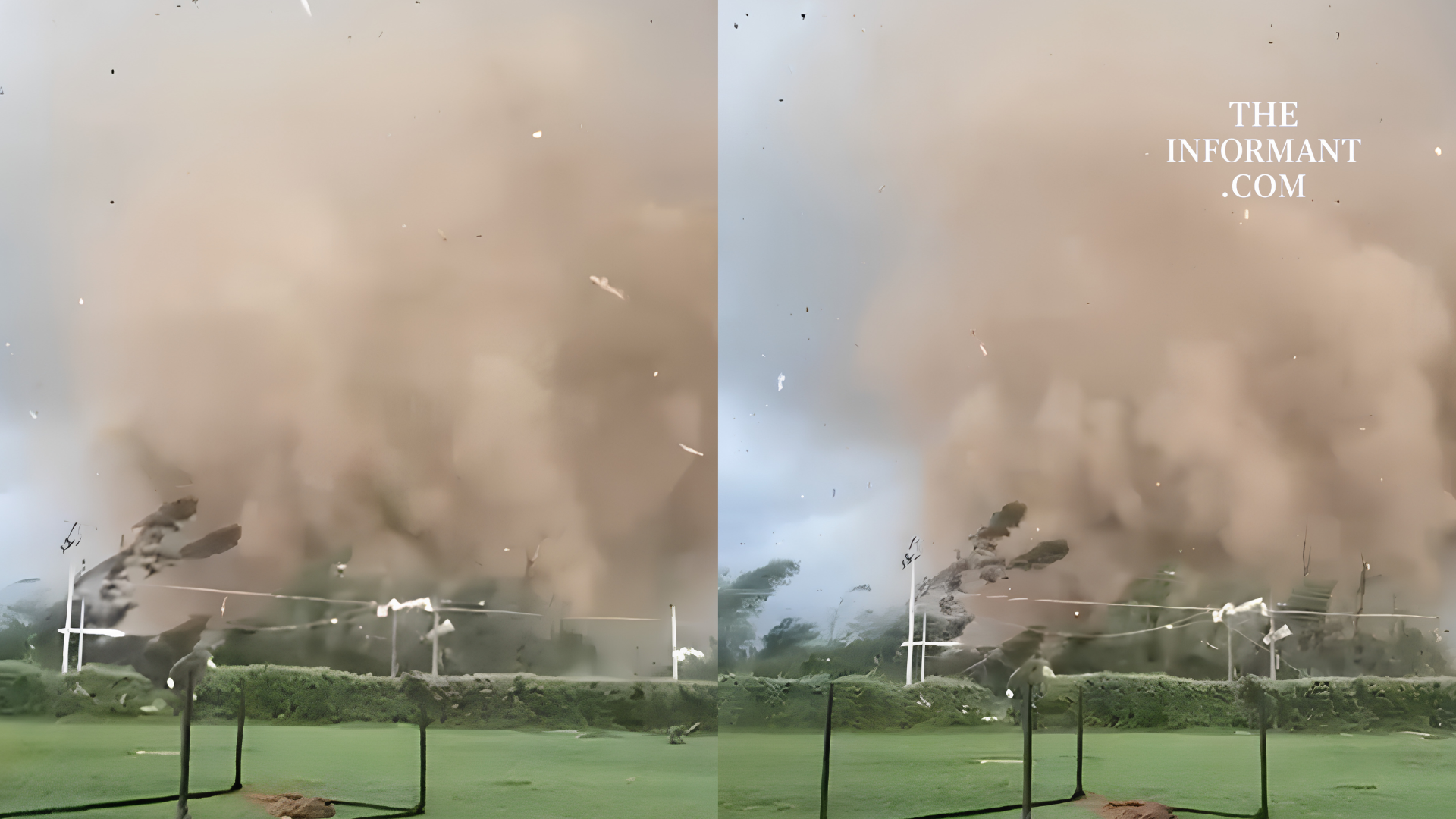
Videos recorded by residents and motorists captured a rotating column of dust and debris moving across the area as powerful winds affected trees, buildings and utility poles.
Footage circulated widely on social media, showing roofing materials and other objects being lifted into the air.
The storm caused extensive damage in residential areas, where roofs were torn away, walls collapsed and debris blocked streets.
The DMC said the EF2 classification was preliminary and would undergo further technical review.
APPROXIMATELY 70 HOMES DAMAGED
Marcelo Montesinos, the regional director of Chile’s National Disaster Prevention and Response Service (Senapred), reported that approximately 70 homes had sustained damage.
Most of the initial damage involved roofs, although authorities also documented fallen walls and other structural problems.
Municipal teams began assessing affected properties to determine the extent of the destruction and identify households requiring assistance.
The damage count remained preliminary as officials continued their inspections.
TRICAHUE SCHOOL SUFFERS SEVERE DAMAGE
One of the most heavily affected buildings was Colegio Tricahue, a school in Requínoa.
The tornado damaged the school’s gymnasium, roofs, windows and other facilities.
Requínoa Mayor Waldo Valdivia described significant damage to the educational complex, including extensive destruction of the gymnasium.
Despite the severity of the incident, local officials reported that no students were injured.
Authorities were expected to assess the building’s structural condition before determining when affected facilities could be used again.
THOUSANDS LEFT WITHOUT ELECTRICITY
The tornado damaged electrical infrastructure, including utility poles and power lines.
Electricity distributor CGE reported that approximately 8,046 customers were initially affected by outages associated with the storm.
By 7 p.m. Monday, about 6,680 customers remained without power, according to the company’s preliminary figures.
Emergency crews were deployed to inspect damaged equipment and begin restoring service.
The utility also prioritized assistance for customers who depend on electricity for essential medical equipment.
TRAIN SERVICES SUSPENDED AFTER STORM DAMAGE
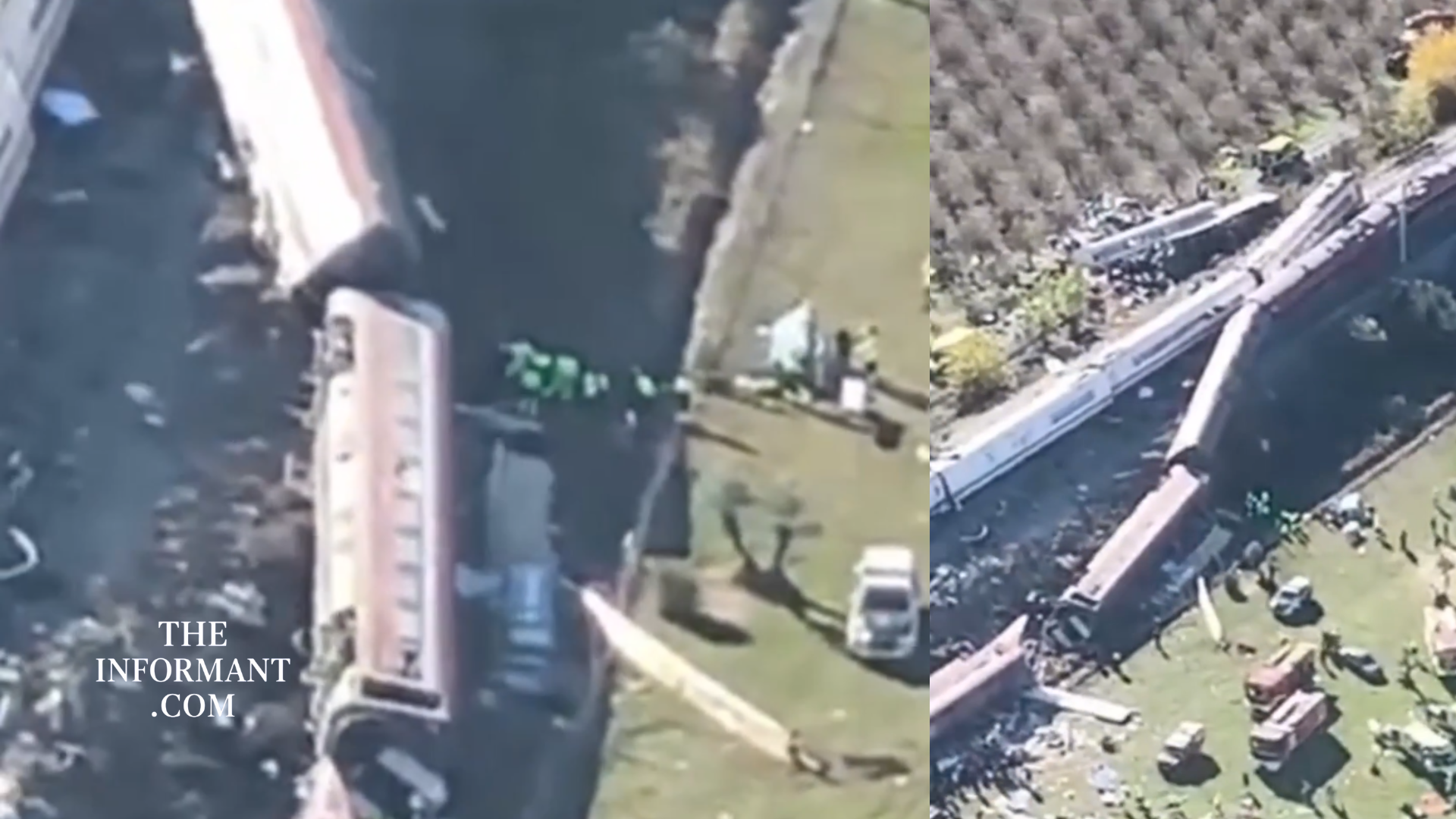
The tornado also disrupted rail transportation in the O’Higgins Region.
Damage affecting railway infrastructure prompted the suspension of services between Rancagua and San Fernando, with additional disruptions reported on connections toward Santiago.
Rail operators and emergency authorities began assessing the affected sections before determining when normal service could safely resume.
Passengers were advised to monitor official transportation updates.
CHILE DECLARES RED ALERT IN REQUÍNOA
Senapred declared a Red Alert for Requínoa following the tornado, allowing emergency resources to be mobilized in response to the damage.
The alert reflected the severity of the situation and the potential danger from unstable structures, fallen electrical lines and debris.
Municipal emergency teams, utility crews and military personnel were deployed to support response operations and damage assessments.
Officials urged residents to avoid damaged areas and follow instructions from emergency personnel.
NO FATALITIES OR SERIOUS INJURIES REPORTED
Despite the destruction, initial official reports did not identify fatalities or serious injuries.
Local authorities also confirmed that students at Colegio Tricahue had escaped injury.
Emergency officials continued monitoring the situation as assessments progressed, meaning the preliminary casualty information remained subject to updates.
The absence of reported casualties did not diminish the significant property damage and disruption experienced by affected communities.
WHAT HAPPENS NEXT?
Chilean authorities are continuing to assess damaged homes, public facilities, electricity infrastructure and transportation routes.
Meteorological specialists are also expected to review evidence from the storm to confirm or adjust its preliminary EF2 classification.
Restoration efforts will focus on repairing electrical systems, clearing debris and identifying households requiring emergency assistance.
The tornado highlights the destructive potential of severe weather events in central Chile, where strong thunderstorms and rapidly developing wind systems can create dangerous conditions for residents and infrastructure.