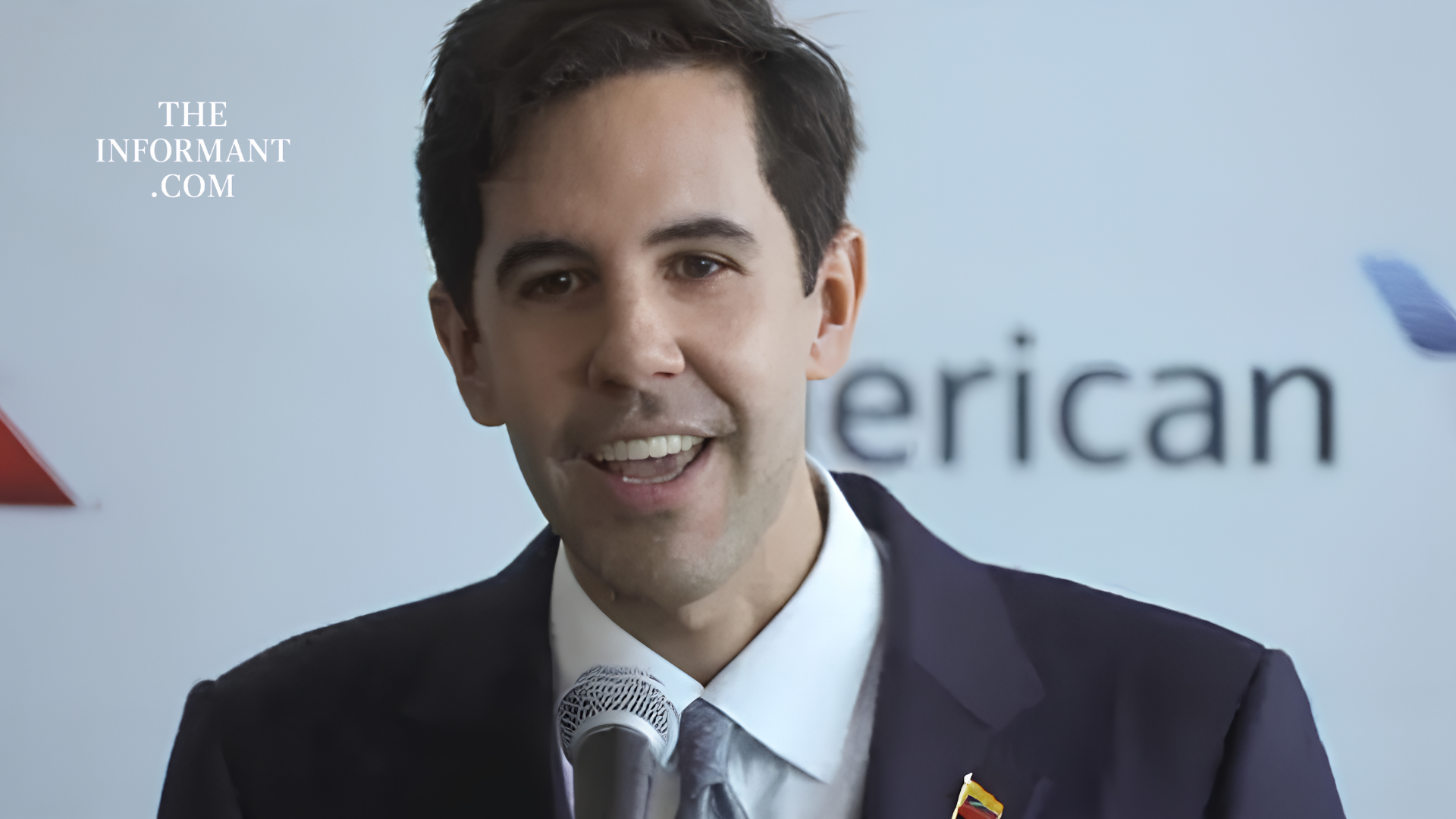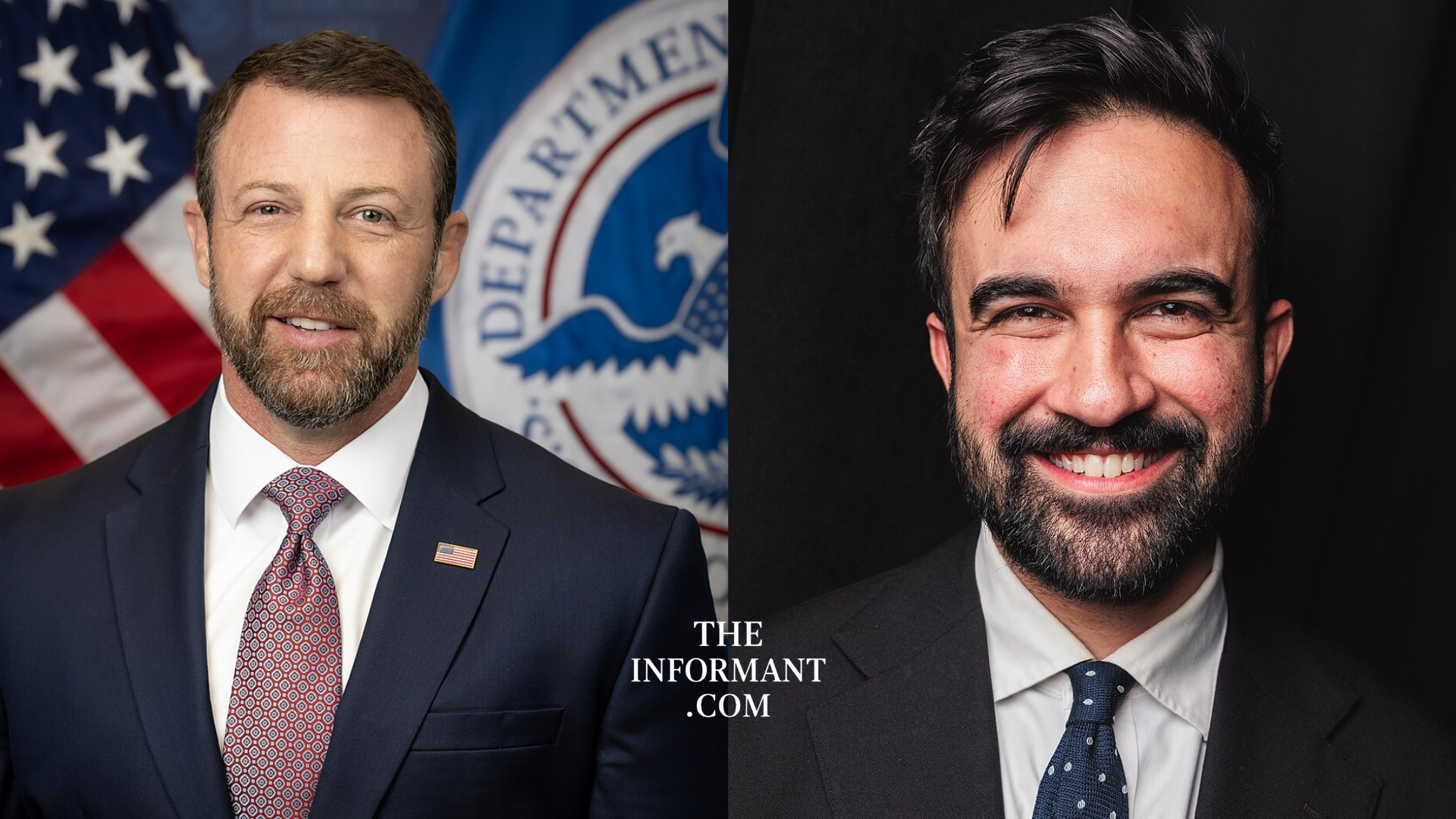
WASHINGTON, D.C. — October 28, 2026. U.S. Homeland Security Secretary Markwayne Mullin has sharply criticized New York City Mayor Zohran Mamdani and sanctuary-city policies, arguing that restrictions on cooperation with federal immigration authorities contribute to identity theft, employment fraud and other criminal activity.
In remarks circulating on social media, Mullin accused sanctuary-city politicians of enabling conditions that he believes encourage unlawful behavior. His comments come amid an ongoing dispute between President Donald Trump’s administration and New York City over immigration enforcement and the responsibilities of local government.
MULLIN ACCUSES SANCTUARY POLICIES OF ENCOURAGING CRIME
Mullin argued that local officials who support sanctuary protections make it more difficult for federal authorities to enforce immigration laws.
He singled out Mamdani while criticizing policies that limit cooperation between city agencies and U.S. Immigration and Customs Enforcement.
According to the remarks attributed to Mullin, undocumented immigration can create opportunities for identity fraud, particularly when individuals seek employment without federal work authorization.
The secretary presented his criticism as a public-safety argument, maintaining that immigration enforcement should be accompanied by stronger measures against fraudulent documents and unauthorized employment.
His remarks did not include independently verified figures demonstrating that New York City’s sanctuary policies have increased criminal activity.
DHS SECRETARY RAISES SOCIAL SECURITY IDENTITY THEFT CONCERNS
One of Mullin’s central arguments concerned the potential misuse of Social Security numbers and other identification documents.
He suggested that undocumented immigrants seeking employment may resort to using identities that do not belong to them.
Identity theft and fraudulent employment documentation are recognized offenses under federal law.
However, immigration status alone does not establish that an individual has committed identity theft.
Mullin’s broader suggestion that undocumented immigrants must steal an identity to work or obtain housing is not supported as a universal legal requirement.
Federal law requires employers to verify employment authorization, but housing rules and identification requirements differ.
NEW YORK LAW PROTECTS TENANTS REGARDLESS OF IMMIGRATION STATUS
New York City and New York state prohibit housing discrimination based on immigration status or national origin.
Those protections apply to tenants and prospective renters, including people who lack lawful immigration status.
Housing providers may request identification and financial information for legitimate screening purposes, but they cannot automatically deny housing solely because someone is undocumented.
An Individual Taxpayer Identification Number, or ITIN, may be accepted in certain housing and financial transactions.
Consequently, renting an apartment does not inherently require an undocumented person to steal another individual’s Social Security number.
EMPLOYMENT RULES DIFFER FROM HOUSING REQUIREMENTS
Federal employment law generally requires employers to verify that new hires are authorized to work in the United States.
Individuals without employment authorization cannot lawfully accept jobs requiring that authorization.
Employers who knowingly hire unauthorized workers may face federal penalties, while the use of fraudulent identity documents can result in separate criminal consequences.
However, the legal distinction between unauthorized employment and identity theft is important.
A person can lack work authorization without necessarily committing identity theft, and not every undocumented immigrant is engaged in unauthorized employment.
New York law also protects workers from certain forms of discrimination, wage theft and retaliation regardless of immigration status.
MAMDANI DEFENDS NEW YORK CITY’S SANCTUARY LAWS
Mamdani has defended New York City’s sanctuary protections, arguing that residents should be able to contact police, report crimes and access city services without automatically triggering immigration enforcement.
The city’s policies generally limit when municipal agencies can assist federal civil immigration enforcement.
They do not eliminate federal immigration law or prevent federal authorities from conducting their own lawful operations.
On October 15, Mamdani welcomed a federal court decision dismissing a Trump administration lawsuit challenging New York City’s sanctuary laws.
The mayor said the ruling supported the city’s authority to maintain restrictions on the use of municipal personnel and resources for federal immigration enforcement.
His administration has argued that these protections support public safety by encouraging cooperation between residents and local authorities.
FEDERAL COURT DISMISSES CHALLENGE TO SANCTUARY POLICIES
The October 15 court decision represented an important development in the legal dispute between Washington and New York City.
The federal government had sought to challenge the city’s sanctuary framework, while municipal officials defended their authority to determine how local employees and agencies participate in immigration enforcement.
The court dismissed the federal lawsuit on jurisdictional grounds, according to the mayor’s office.
The decision did not establish that every sanctuary policy produces better public-safety outcomes, nor did it resolve every possible legal dispute involving federal and local immigration authority.
It did, however, leave New York City’s existing framework in place at that stage of the litigation.
DEBATE OVER IMMIGRATION, CRIME AND PUBLIC SAFETY
The confrontation reflects two competing approaches to immigration enforcement.
Mullin and other Trump administration officials argue that stronger cooperation with ICE is necessary to identify individuals who violate immigration laws and prevent additional offenses.
Mamdani and supporters of sanctuary policies argue that local law enforcement should focus on community policing and that residents may be less willing to report crimes if they fear immigration consequences.
Determining the effect of sanctuary policies on crime requires evidence that accounts for differences among cities, populations and enforcement practices.
Neither the existence of sanctuary laws nor undocumented immigration, by itself, establishes an increase in identity theft or violent crime.
DHS CONTINUES CAMPAIGN AGAINST SANCTUARY POLICIES
The Department of Homeland Security has continued public criticism of sanctuary jurisdictions under Mullin’s leadership.
The department scheduled an October 9 press conference specifically addressing what it described as the public-safety consequences of sanctuary-city policies.
The administration has also pressed local governments to cooperate more closely with federal immigration enforcement.
New York City officials have resisted demands that they redirect municipal resources toward federal civil immigration operations.
The dispute remains part of the broader national debate over immigration enforcement, local government authority and public safety.
WHAT HAPPENS NEXT?
The Trump administration is expected to continue advocating stronger cooperation between local law enforcement and federal immigration agencies.
New York City, meanwhile, has indicated that it intends to defend its sanctuary protections.
Additional litigation, federal enforcement actions or legislative proposals could affect how these policies operate.
For now, Mullin’s criticism highlights a significant policy disagreement, but his claims linking undocumented immigration to widespread identity theft and fraud require supporting evidence before they can be treated as established findings.