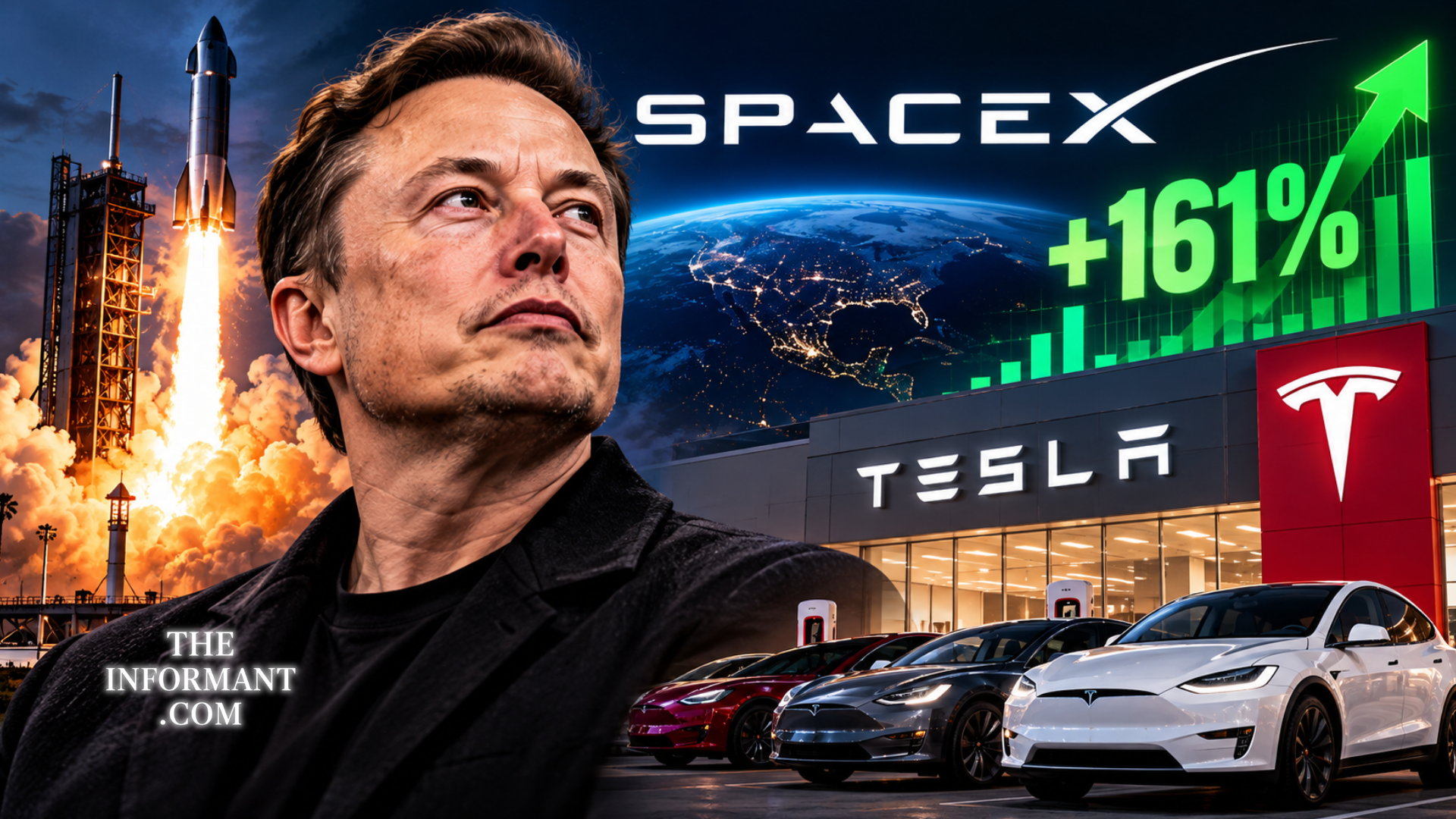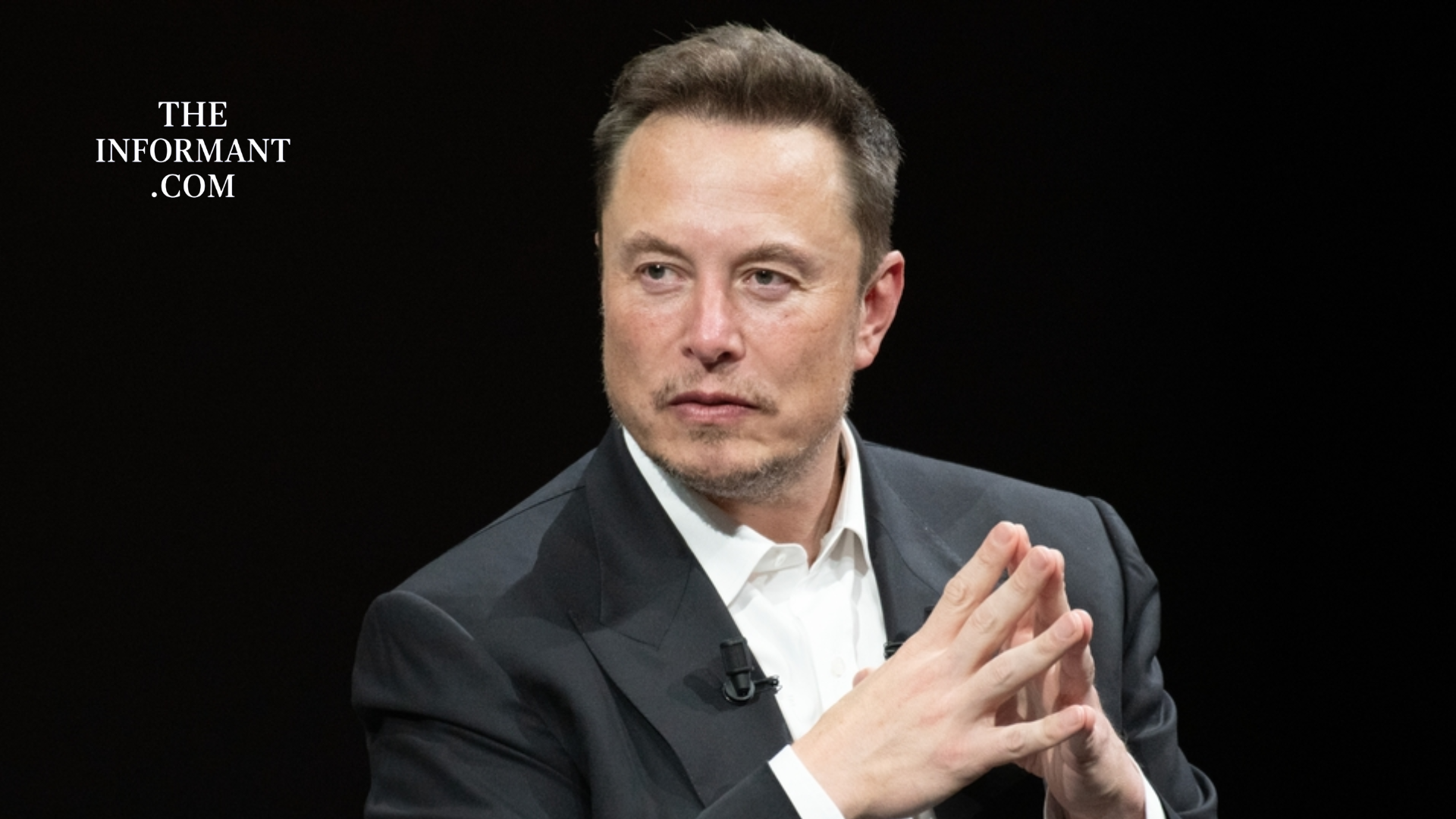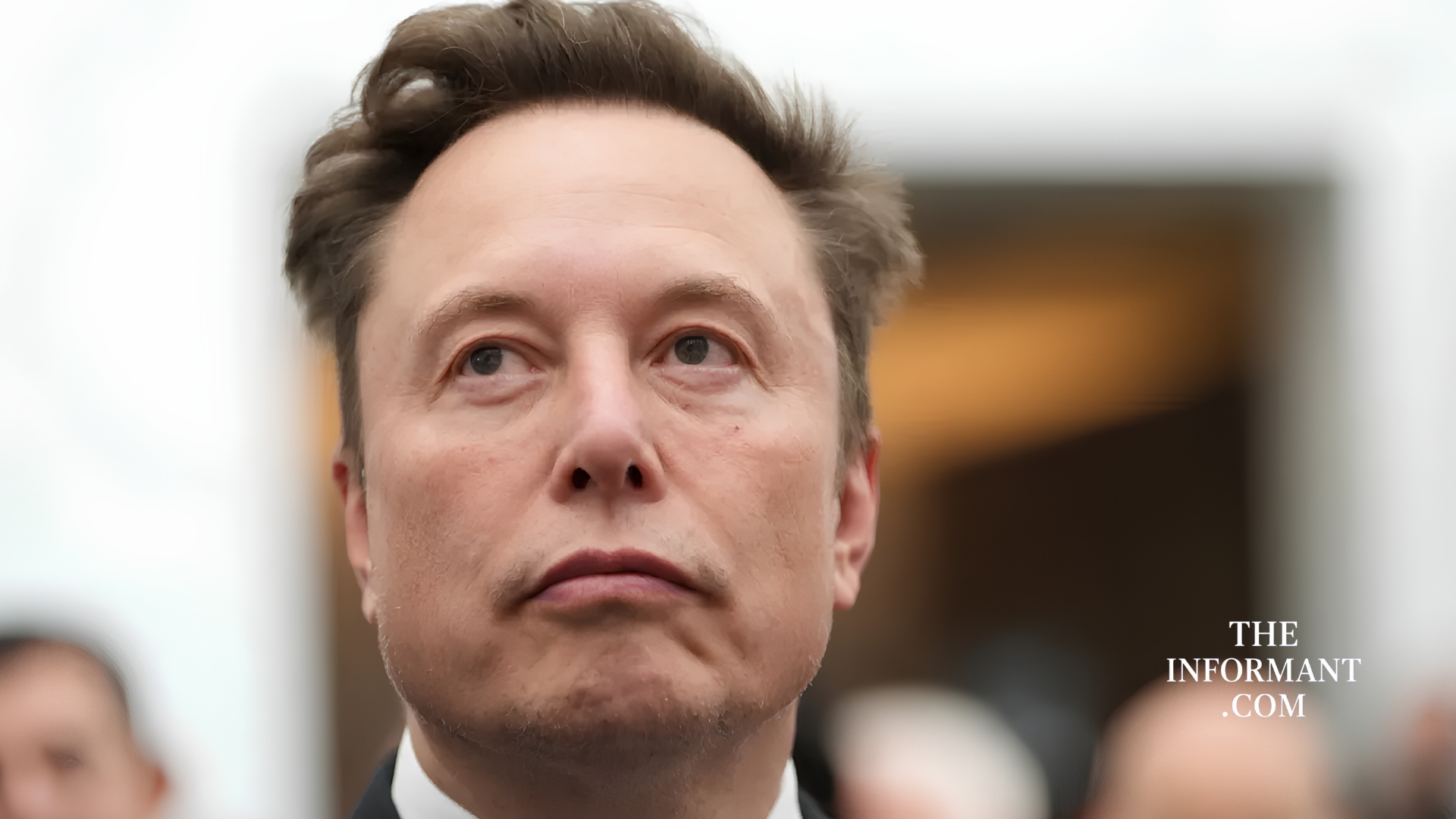
WASHINGTON, D.C. — October 28, 2026. Elon Musk has outlined an ambitious vision of a future in which artificial intelligence and advanced robotics could generate widespread prosperity, dramatically change traditional employment and make high-quality healthcare accessible to people around the world.
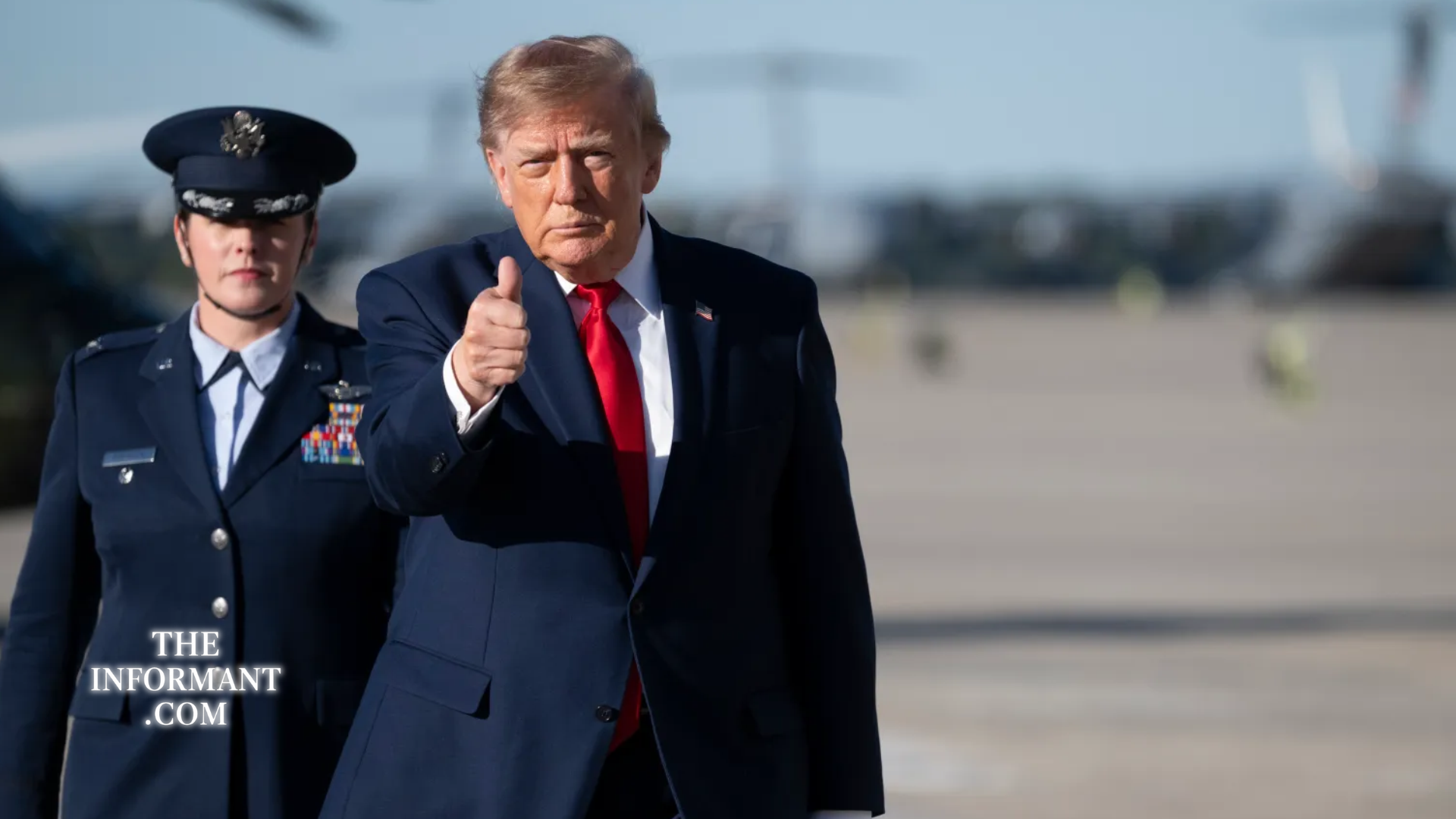
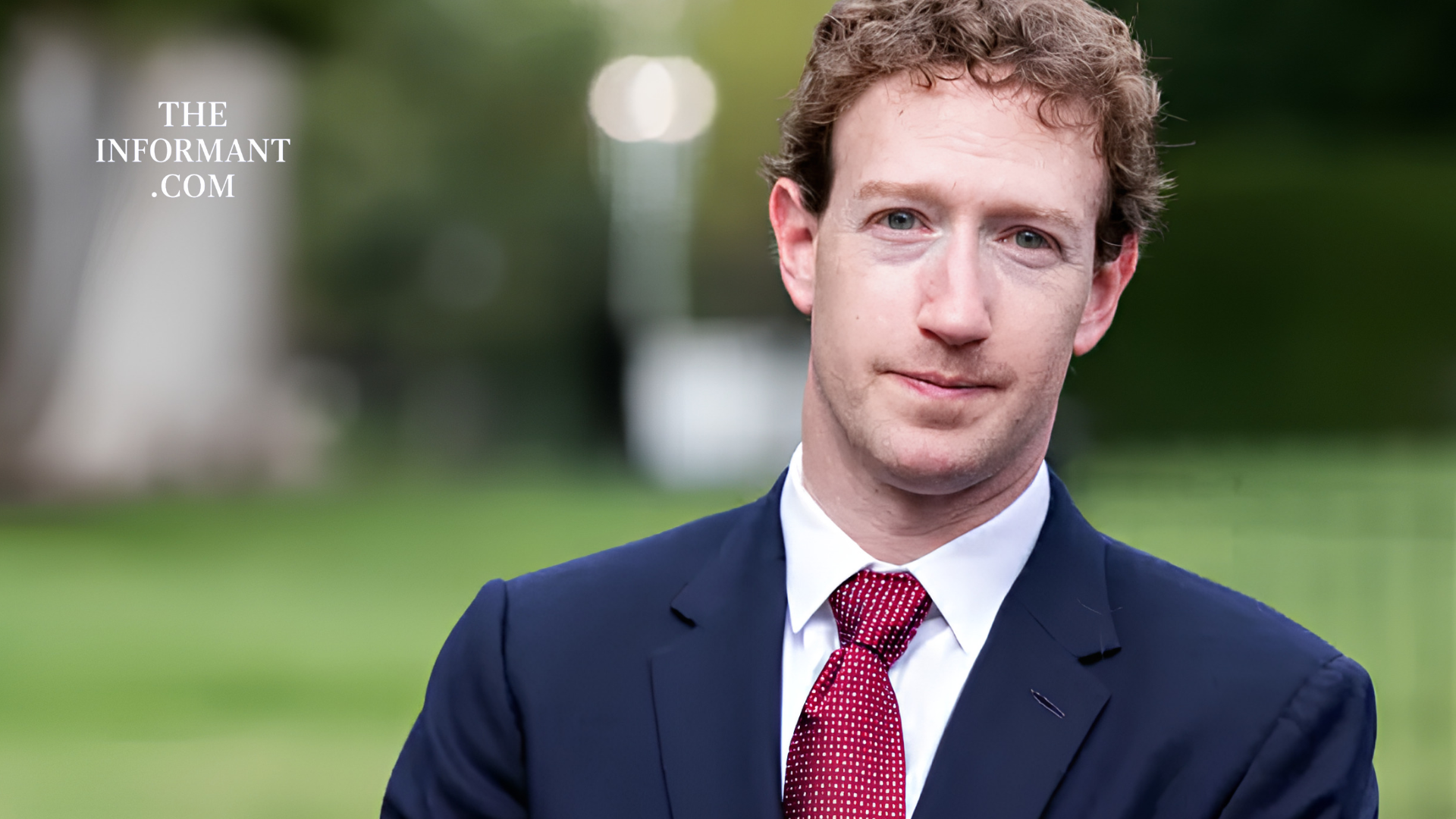
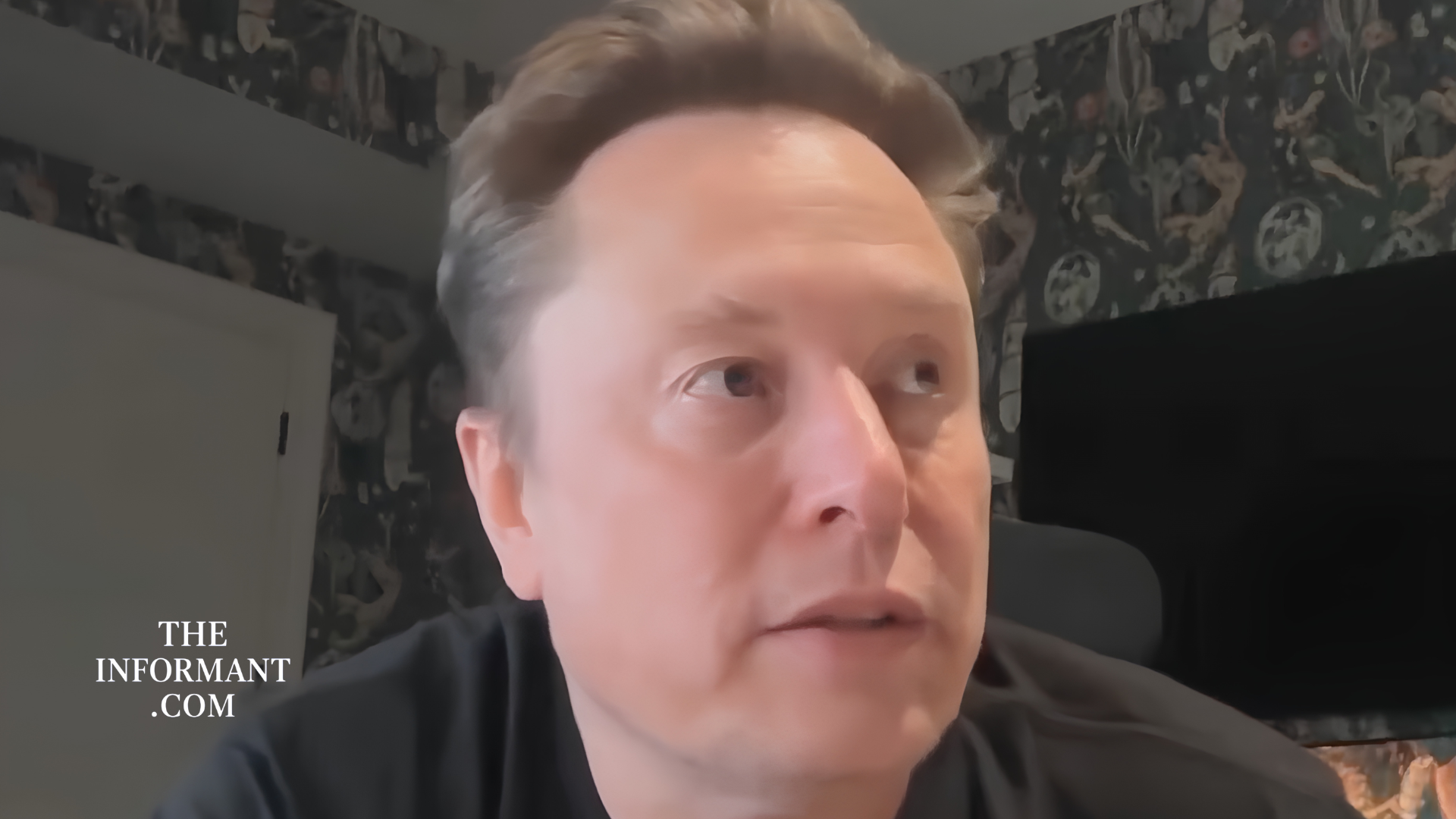
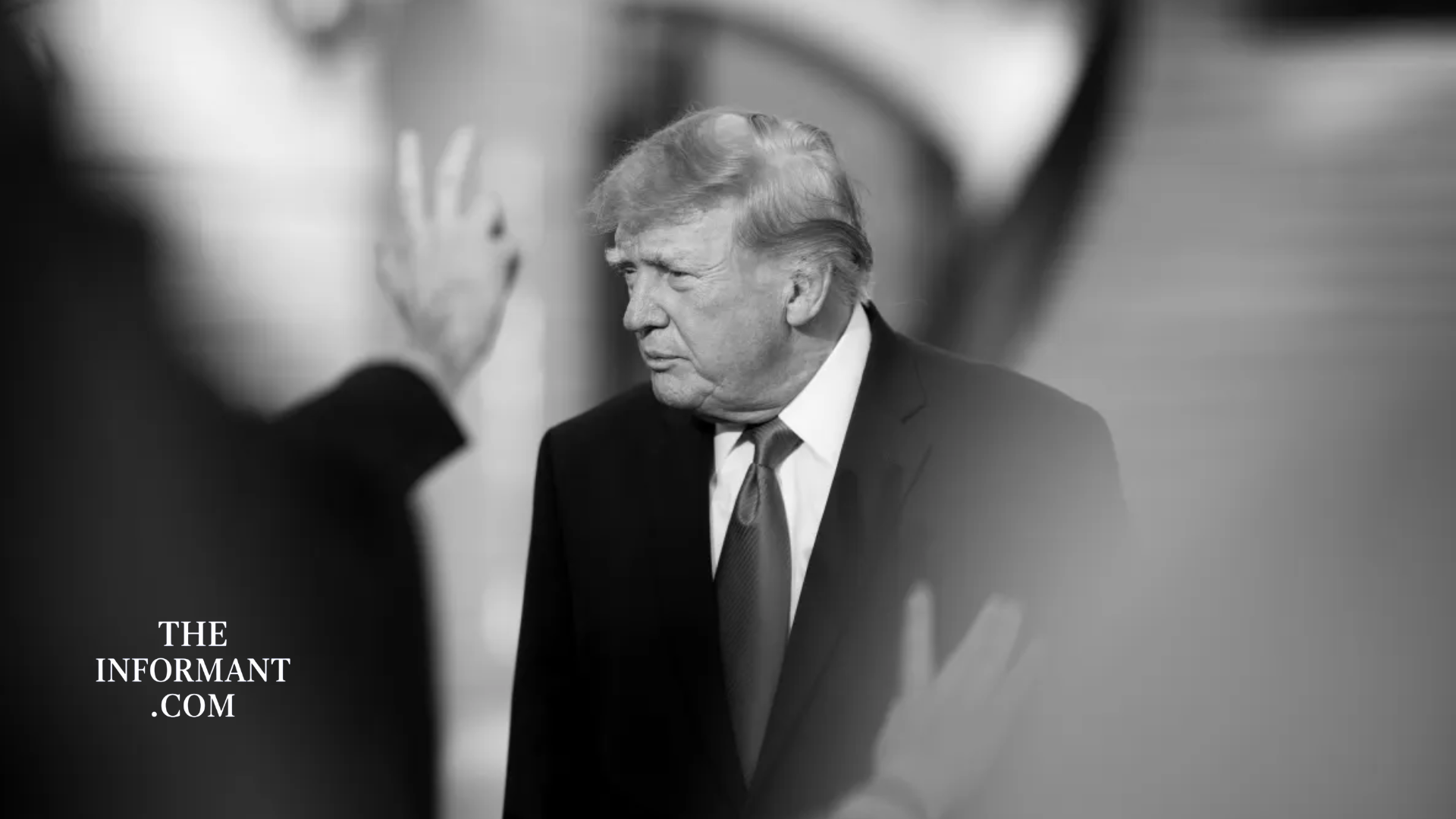
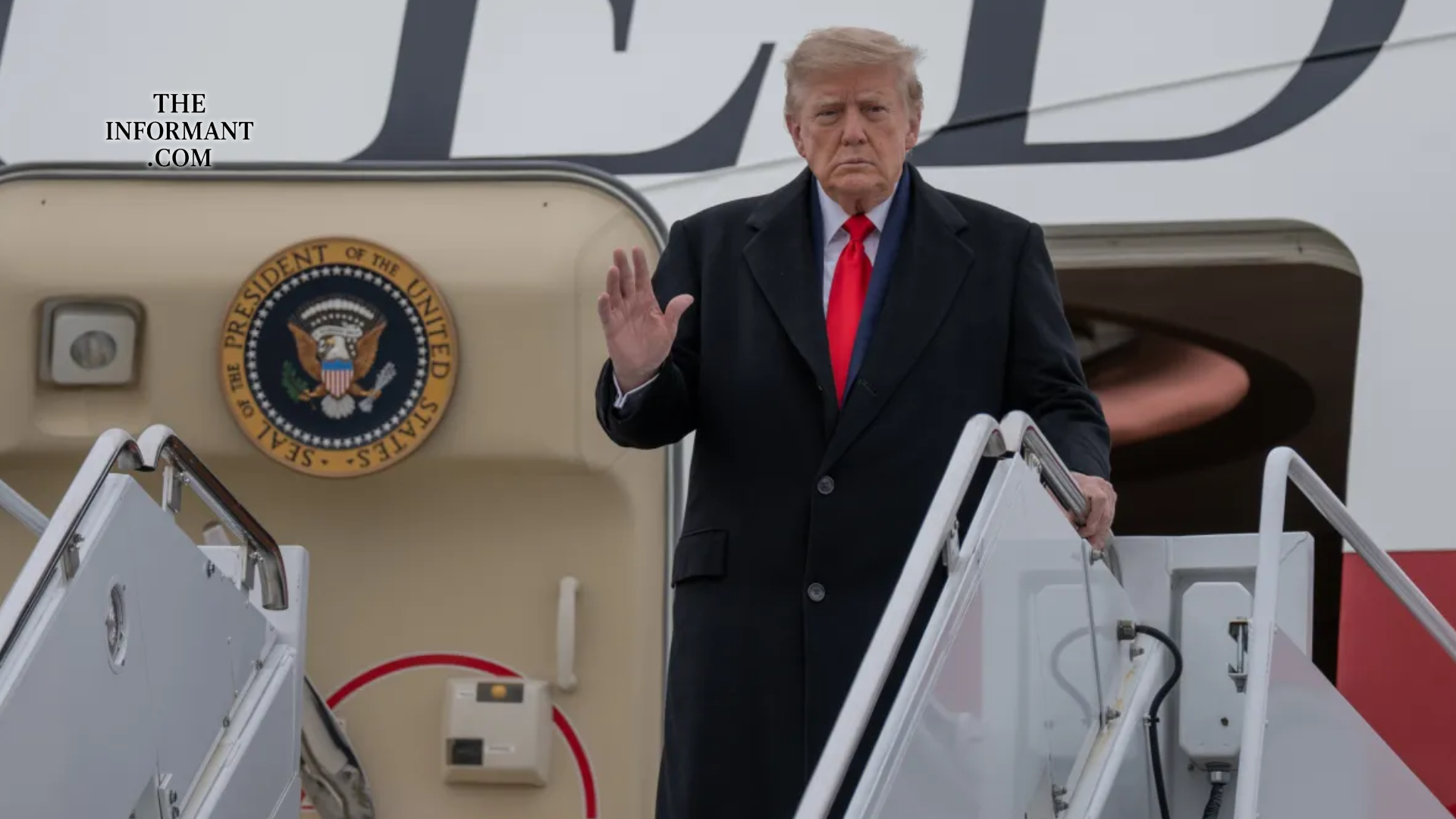
The Tesla and SpaceX CEO made the remarks on September 29 outside the White House, standing alongside President Donald Trump following a meeting with technology industry leaders. His comments have continued circulating online as concerns grow over the economic consequences of increasingly powerful AI systems.
MUSK PREDICTS AN “AGE OF ABUNDANCE”
During the exchange, Musk was asked what would happen to workers whose jobs could be replaced by artificial intelligence.
He responded that advanced technology could eventually create an economy capable of producing substantially more goods and services than today’s systems.
Musk described his expectation as an “age of abundance” and introduced the concept of universal high income.
Unlike traditional universal basic income proposals, which generally focus on providing a minimum financial safety net, Musk’s vision involves a much higher standard of living made possible by widespread automation.
However, he did not announce a government program, specify an income amount or provide a timeline for achieving that outcome.
UNIVERSAL HIGH INCOME COULD REPLACE ECONOMIC SCARCITY, MUSK ARGUES
Musk has repeatedly suggested that increasingly capable artificial intelligence systems and humanoid robots could perform many of the tasks currently carried out by human workers.
In that scenario, automated systems could manufacture products, provide services and expand productive capacity without requiring the same amount of human labor.
He argues that this could reduce the cost of essential goods and make a high standard of living more widely available.
The concept remains a technological and economic prediction rather than an established outcome.
Whether increased automation would produce broadly shared prosperity would depend on factors including ownership of AI systems, competition, public policy, wages and the distribution of economic gains.
ELON MUSK SAYS ROBOTS COULD REVOLUTIONIZE HEALTHCARE
Healthcare was another central theme of Musk’s remarks.
He predicted that the combination of advanced robotics and artificial superintelligence could eventually provide medical services of a quality exceeding those currently available to the wealthiest individuals.
The vision reflects expectations that AI-assisted diagnostics, robotic procedures and automated healthcare systems could improve medical capabilities.
However, such outcomes would depend on clinical validation, patient safety, regulatory approval and the availability of medical infrastructure.
Musk did not present evidence that current AI or robotic systems can already deliver superior medical care to everyone.
His comments described a possible future rather than an existing healthcare service or guaranteed benefit.
WHAT HAPPENS TO JOBS WHEN AI TAKES OVER TASKS?
The exchange also addressed fears that artificial intelligence could replace large numbers of workers.
Musk acknowledged that jobs would change, comparing the transition to previous technological developments that eliminated certain occupations while creating new types of work.
He pointed to the historical role of human computers, workers who performed mathematical calculations before electronic computing became widespread.
According to Musk, future employment could similarly evolve as machines take over increasingly complex tasks.
However, the scale and speed of AI-related job displacement remain uncertain.
Economists and labor researchers continue examining whether automation will primarily transform existing occupations, replace particular positions or generate entirely new categories of employment.
TRUMP JOINS DISCUSSION ABOUT AI AND THE ECONOMY
President Trump was present during the discussion and invited Musk to answer questions about employment and the future of artificial intelligence.
The White House gathering brought together executives from major technology companies to discuss the development of advanced AI systems and their implications for the United States.
Trump emphasized the economic potential of technological investment, including new data centers, infrastructure development and opportunities for American businesses.
The administration has promoted expanded domestic AI investment as part of its broader economic and technology agenda.
However, Musk’s universal high-income prediction was not presented as a formally adopted White House policy.
CAN ARTIFICIAL INTELLIGENCE MAKE WORK OPTIONAL?
Musk has previously suggested that advanced automation could eventually make traditional employment less necessary.
He expressed similar views during a 2023 conversation with former British Prime Minister Rishi Sunak, discussing the possibility of a future in which AI could perform virtually any job.
His latest remarks build on that long-standing outlook.
Yet the prospect of work becoming optional raises difficult economic and social questions.
Even if machines can produce goods and services more efficiently, individuals would still need reliable ways to access housing, food, healthcare and other essentials.
A society with highly automated production would also need to address how income is distributed and how people find purpose and opportunities for meaningful participation.
EXPERTS CONTINUE TO DEBATE THE ECONOMIC EFFECTS OF AI
Artificial intelligence has already changed certain business processes, particularly in software development, customer support, research and administrative work.
Companies are investing heavily in data centers, specialized computing equipment and AI-powered applications.
Supporters of rapid automation argue that these technologies could increase productivity, accelerate scientific research and create new economic opportunities.
Others warn that productivity gains may not automatically translate into higher wages or more equal access to essential services.
The outcome will depend on the pace of technological development and the decisions made by businesses, governments and workers.
NO UNIVERSAL HIGH-INCOME PROGRAM HAS BEEN ANNOUNCED
Despite enthusiastic interpretations circulating on social media, Musk’s comments did not establish a new government benefit.
He did not promise an immediate payment to every American or every person worldwide.
Nor did he announce that employment would become unnecessary in the near future.
His remarks expressed confidence that advanced AI and robotics could eventually support widespread material prosperity.
The difference between that prediction and a funded, legally established income program is significant.
WHAT HAPPENS NEXT?
As artificial intelligence systems become more capable, policymakers and businesses will continue debating how to manage their effects on employment, healthcare and economic inequality.
Musk’s predictions offer one possible scenario in which technology substantially increases productivity and living standards.
Whether that future becomes reality will depend on technological breakthroughs, infrastructure investment, economic institutions and public policy.
For now, the discussion highlights a central question facing the AI industry: whether automation will deliver prosperity broadly or concentrate its benefits among the companies and individuals that control the technology.